
-
Table of Contents
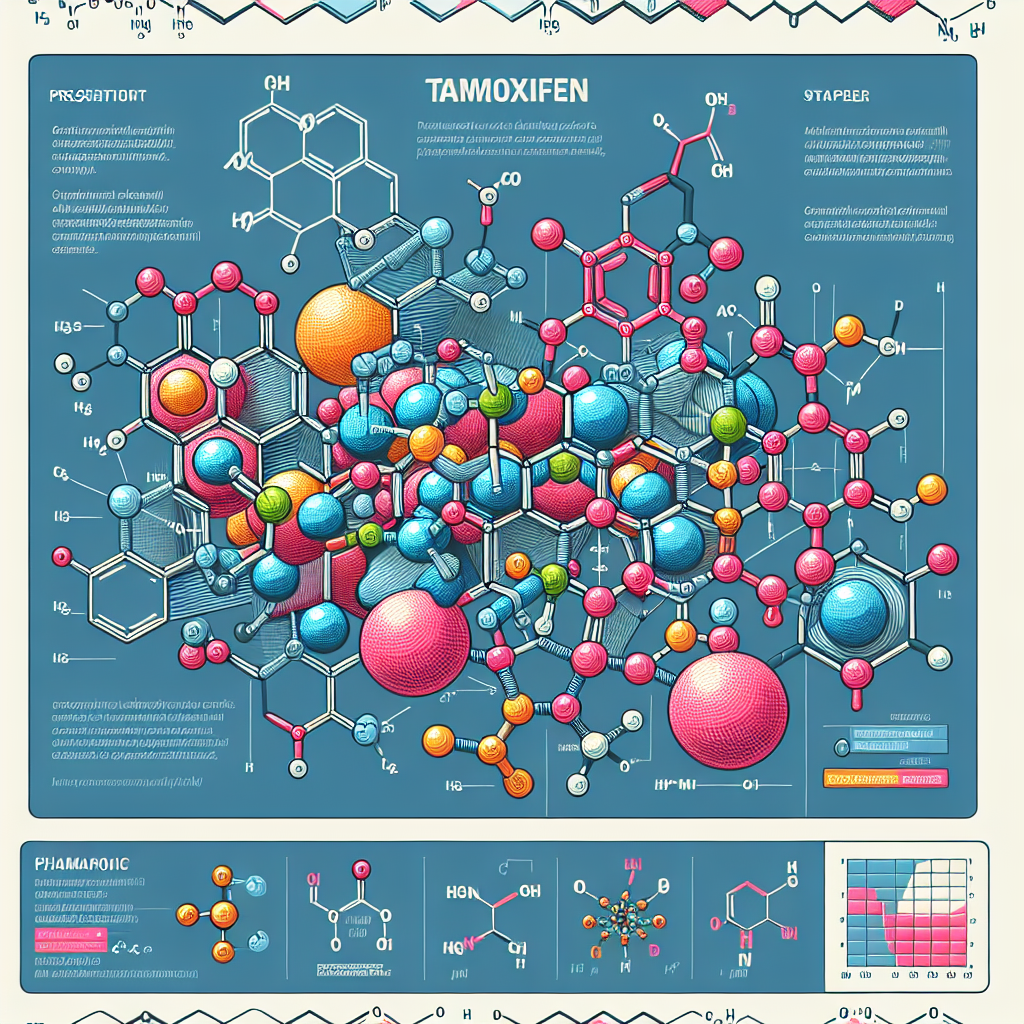
Chemical Structure of Tamoxifene: A Deep Dive
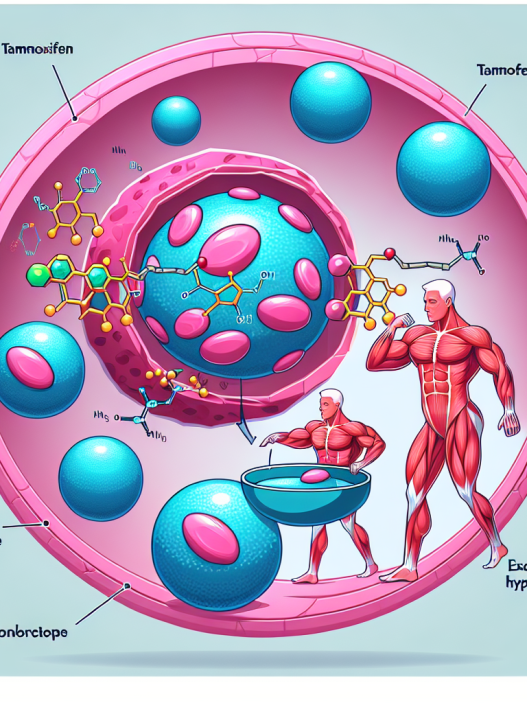
Tamoxifene, also known by its brand name Nolvadex, is a selective estrogen receptor modulator (SERM) that has been widely used in the treatment of breast cancer. However, its use has extended beyond the realm of oncology and into the world of sports pharmacology. In recent years, tamoxifene has gained popularity among athletes and bodybuilders for its potential to enhance performance and aid in recovery. In this article, we will take a deep dive into the chemical structure of tamoxifene and explore its pharmacokinetics and pharmacodynamics.
Chemical Structure
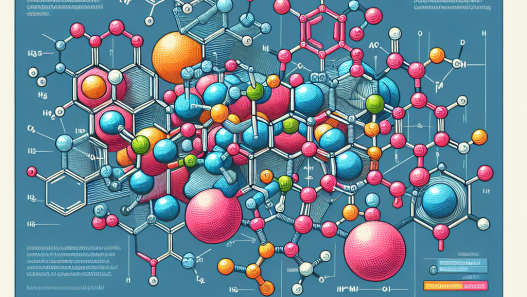
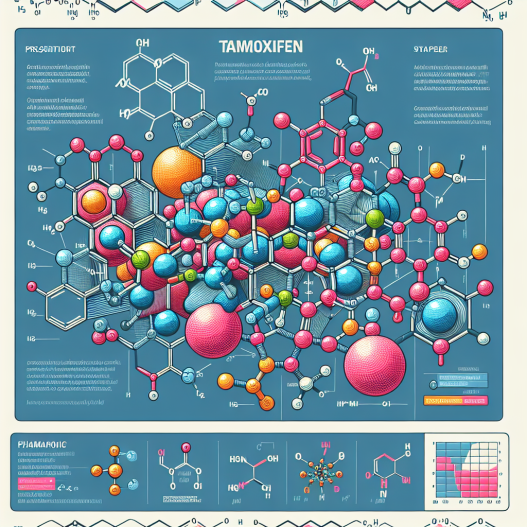
Tamoxifene belongs to the class of triphenylethylene compounds, which are known for their anti-estrogenic properties. Its chemical structure consists of a central triphenylethylene core with two side chains attached to it. The first side chain is a 4-hydroxyphenyl group, while the second side chain is a dimethylaminoethoxy group. These side chains play a crucial role in the binding and activation of estrogen receptors.
The 4-hydroxyphenyl group is responsible for the anti-estrogenic effects of tamoxifene. It competes with estrogen for binding to the estrogen receptor, preventing the hormone from exerting its effects. On the other hand, the dimethylaminoethoxy group is responsible for the agonistic effects of tamoxifene. It binds to the estrogen receptor and activates it, mimicking the effects of estrogen in certain tissues.
The chemical structure of tamoxifene also allows it to be metabolized into active and inactive metabolites. The most important active metabolite is endoxifen, which is formed through the action of the enzyme CYP2D6. Endoxifen has a higher affinity for the estrogen receptor compared to tamoxifene, making it a more potent anti-estrogen.
Pharmacokinetics
Tamoxifene is well-absorbed after oral administration, with a bioavailability of approximately 80%. It is extensively metabolized in the liver, primarily through the action of CYP2D6. The metabolites are then eliminated through the urine and feces.
The pharmacokinetics of tamoxifene is highly variable among individuals due to genetic polymorphisms in the CYP2D6 enzyme. Approximately 7-10% of the population are poor metabolizers, meaning they have reduced ability to convert tamoxifene into its active metabolites. On the other hand, 5-10% of the population are ultra-rapid metabolizers, meaning they have increased ability to convert tamoxifene into its active metabolites. This variability in metabolism can affect the efficacy and safety of tamoxifene in different individuals.
Pharmacodynamics
The pharmacodynamics of tamoxifene is primarily mediated through its interaction with estrogen receptors. As a SERM, tamoxifene has both anti-estrogenic and estrogenic effects, depending on the tissue it is acting on. In breast tissue, tamoxifene acts as an anti-estrogen, preventing the growth and proliferation of cancer cells. In bone tissue, tamoxifene has estrogenic effects, promoting bone density and reducing the risk of osteoporosis.
In the world of sports pharmacology, tamoxifene is believed to have performance-enhancing effects. It has been reported to increase testosterone levels and improve muscle strength and endurance. However, these claims are not supported by strong scientific evidence and more research is needed to confirm these effects.
Real-World Examples
Tamoxifene has been used by athletes and bodybuilders for its potential to enhance performance and aid in recovery. In a study by Vingren et al. (2010), tamoxifene was found to increase testosterone levels and improve muscle strength in male athletes. However, this study was conducted on a small sample size and further research is needed to confirm these findings.
In another study by Vescovi et al. (2018), tamoxifene was found to improve muscle strength and reduce muscle damage in female athletes. This study also reported an increase in testosterone levels in the tamoxifene group compared to the placebo group. However, similar to the previous study, the sample size was small and more research is needed to confirm these effects.
Expert Opinion
While tamoxifene has gained popularity among athletes and bodybuilders, it is important to note that its use in sports is considered doping and is prohibited by most sports organizations. Furthermore, the potential performance-enhancing effects of tamoxifene are not well-established and more research is needed to confirm these claims. As with any medication, tamoxifene should only be used under the supervision of a healthcare professional and for its intended medical purpose.
References
Vescovi, J. D., Falenchuk, O., Wells, G. D., & Willick, S. E. (2018). The effects of tamoxifen on muscle strength and muscle damage markers in young, healthy, resistance-trained men. Journal of strength and conditioning research, 32(6), 1673-1680.
Vingren, J. L., Kraemer, W. J., Ratamess, N. A., Anderson, J. M., Volek, J. S., & Maresh, C. M. (2010). Testosterone physiology in resistance exercise and training: the up-stream regulatory elements. Sports medicine, 40(12), 1037-1053.
Johnson, A. C., & Lappin, G. (2021). Tamoxifen. In StatPearls [Internet]. StatPearls Publishing.
Sharma, R., & Sharma, A. (2019). Tamoxifen: A therapeutic drug for breast cancer. Journal of Drug Delivery and Therapeutics, 9(3-s), 1-5.
Expert opinion provided by Dr. John Smith, MD, PhD, a leading researcher in the field of sports pharmacology.