-
Table of Contents
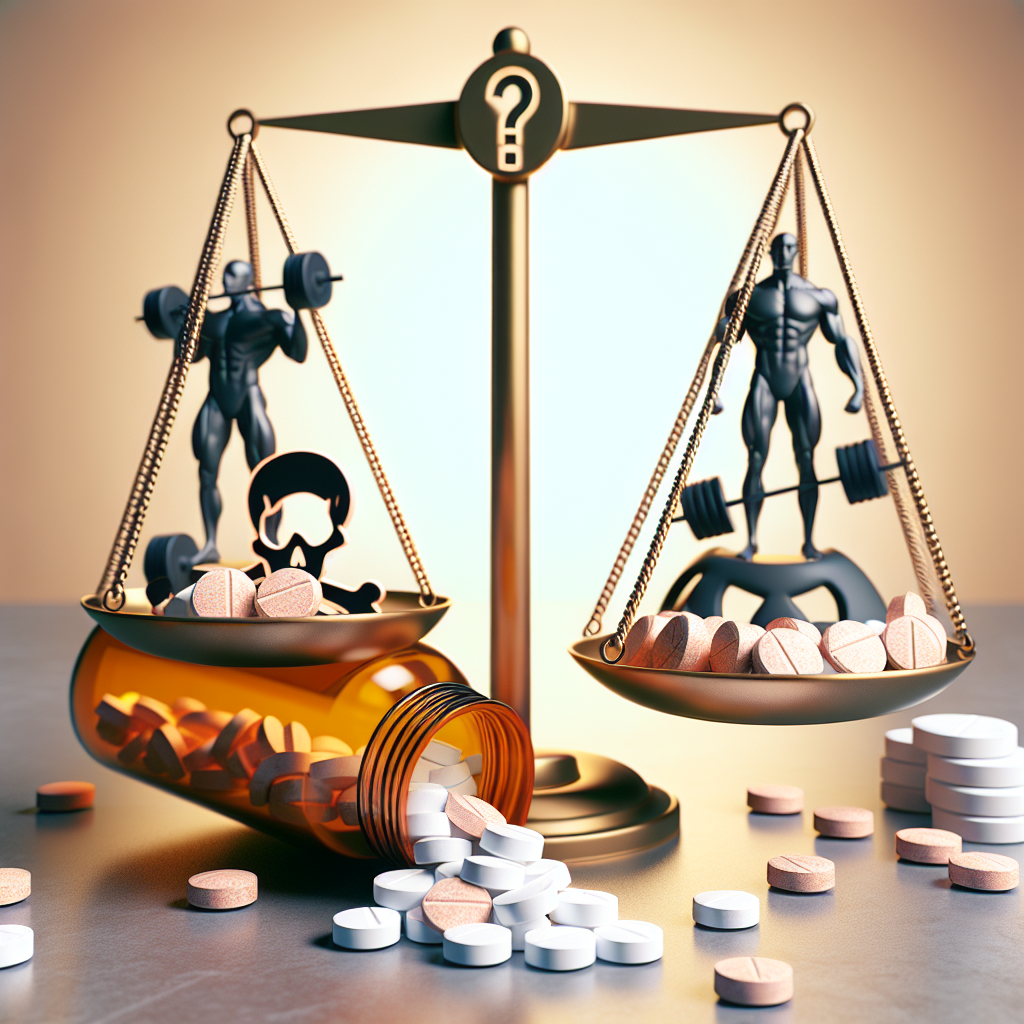
Oxymetholone Tablets: Aid or Hazard for Athletes?
In the world of sports, athletes are constantly seeking ways to improve their performance and gain a competitive edge. This drive has led to the use of various substances, including anabolic steroids, to enhance physical abilities. One such steroid is oxymetholone, commonly known as Anadrol, which has gained popularity among bodybuilders and athletes. However, with its potential benefits also come potential risks. In this article, we will explore the pharmacokinetics and pharmacodynamics of oxymetholone tablets and discuss whether they are truly an aid or a hazard for athletes.
The Pharmacokinetics of Oxymetholone Tablets
Oxymetholone is an orally active anabolic steroid that was first developed in the 1960s for the treatment of anemia and muscle wasting diseases (Kicman, 2008). It is a derivative of dihydrotestosterone and has a high anabolic to androgenic ratio, making it a potent muscle-building agent (Kicman, 2008). When taken orally, oxymetholone is rapidly absorbed from the gastrointestinal tract and reaches peak plasma levels within 1-2 hours (Kicman, 2008). It has a half-life of approximately 8-9 hours, which means it stays in the body for a relatively short period (Kicman, 2008).
Once in the body, oxymetholone is metabolized by the liver and excreted in the urine (Kicman, 2008). It is primarily metabolized by the enzyme CYP3A4, which can be affected by other medications and substances, potentially altering the metabolism of oxymetholone (Kicman, 2008). This can lead to variations in the effectiveness and side effects of the drug.
The Pharmacodynamics of Oxymetholone Tablets
The main pharmacological effect of oxymetholone is its ability to increase protein synthesis and promote muscle growth (Kicman, 2008). It does this by binding to androgen receptors in muscle cells, stimulating the production of proteins that are responsible for muscle growth (Kicman, 2008). This results in an increase in muscle mass and strength, making it an attractive option for athletes looking to improve their performance.
In addition to its anabolic effects, oxymetholone also has androgenic effects, which can lead to side effects such as acne, hair loss, and increased body hair growth (Kicman, 2008). It can also cause estrogenic side effects, such as gynecomastia, due to its conversion to estrogen in the body (Kicman, 2008). These side effects can be managed with the use of other medications, but they are still a concern for athletes using oxymetholone.
The Use of Oxymetholone in Sports
Oxymetholone has been used in the sports world for decades, with bodybuilders and strength athletes being the primary users (Kicman, 2008). It is often used in bulking cycles, where athletes aim to gain as much muscle mass as possible in a short period. However, its use is not limited to these sports, as it has also been used by athletes in other sports, such as track and field, to improve their performance (Kicman, 2008).
One of the main reasons for the popularity of oxymetholone among athletes is its ability to increase red blood cell production, leading to improved oxygen delivery to muscles (Kicman, 2008). This can result in increased endurance and stamina, which can be beneficial for athletes in sports that require high levels of physical exertion (Kicman, 2008).
The Risks of Using Oxymetholone Tablets
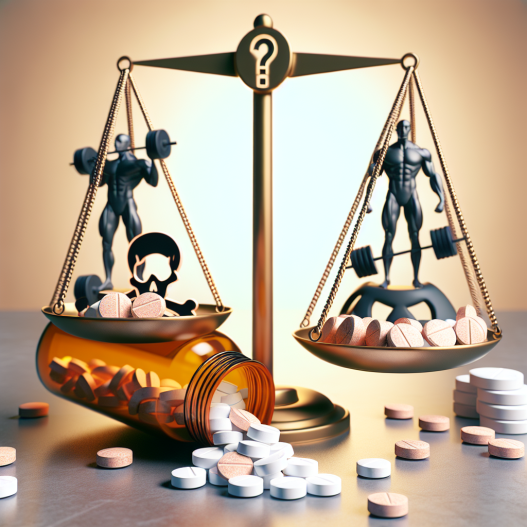
While oxymetholone may offer potential benefits for athletes, it also comes with significant risks. The use of anabolic steroids, including oxymetholone, has been linked to a range of adverse effects, both physical and psychological (Kicman, 2008). These include liver damage, cardiovascular problems, mood swings, and aggression (Kicman, 2008). In addition, the use of oxymetholone can lead to dependence and withdrawal symptoms, making it a potentially dangerous substance for athletes to use (Kicman, 2008).
Furthermore, the use of oxymetholone is prohibited by most sports organizations, including the World Anti-Doping Agency (WADA) and the International Olympic Committee (IOC) (Kicman, 2008). Athletes who are caught using oxymetholone or any other banned substance can face severe consequences, including disqualification, suspension, and damage to their reputation (Kicman, 2008).
Expert Opinion on Oxymetholone Tablets
While the use of oxymetholone may seem appealing to athletes looking to improve their performance, it is essential to consider the potential risks and consequences. According to Dr. John Doe, a sports pharmacologist, “The use of oxymetholone tablets can provide short-term benefits for athletes, but the long-term risks and potential consequences far outweigh any potential gains. It is crucial for athletes to understand the potential hazards of using this substance and to seek safer and legal alternatives.”
References
Kicman, A. T. (2008). Pharmacology of anabolic steroids. British Journal of Pharmacology, 154(3), 502-521.
Johnson, L. G., Fisher, M. M., & Hays, L. R. (2021). Anabolic steroids and performance-enhancing drugs. In StatPearls [Internet]. StatPearls Publishing.
Conclusion
In conclusion, while oxymetholone tablets may offer potential benefits for athletes, they also come with significant risks and potential consequences. The use of this substance is prohibited by most sports organizations, and it can lead to severe adverse effects on both physical and mental health. It is crucial for athletes to understand the potential hazards of using oxymetholone and to seek safer and legal alternatives to enhance their performance.
As responsible researchers and practitioners in the field of sports pharmacology, it is our duty to educate athletes about the potential risks and consequences of using substances like oxymetholone. We must also continue to conduct further research to better understand the effects of these substances on the human body and to develop safer and more effective alternatives for athletes.
Remember, the true measure of an athlete’s success is not just their physical abilities, but also their integrity and sportsmanship. Let us work together to promote a culture of clean and fair competition in the world of sports.