

-
Table of Contents
- Post-Cycle Therapy After Methyltestosterone: A Comprehensive Guide
- The Importance of Post-Cycle Therapy
- Best Practices for Post-Cycle Therapy
- 1. Timing is Key
- 2. Use Selective Estrogen Receptor Modulators (SERMs)
- 3. Consider Human Chorionic Gonadotropin (hCG)
- 4. Monitor Hormone Levels
- 5. Use Supplements to Support Testosterone Production
- Conclusion
- Expert Comments
- References
Post-Cycle Therapy After Methyltestosterone: A Comprehensive Guide
Methyltestosterone is a synthetic form of testosterone, a hormone that plays a crucial role in the development and maintenance of male characteristics. It is commonly used in the treatment of hypogonadism, a condition where the body does not produce enough testosterone. However, it is also used by athletes and bodybuilders to enhance performance and muscle growth. While the use of methyltestosterone may provide short-term benefits, it can also have negative effects on the body, particularly on the endocrine system. This is why post-cycle therapy (PCT) is essential after using methyltestosterone. In this article, we will discuss the importance of PCT and the best practices for implementing it after a cycle of methyltestosterone.
The Importance of Post-Cycle Therapy
When an individual takes methyltestosterone, the body’s natural production of testosterone is suppressed. This is because the body recognizes the presence of exogenous testosterone and signals the testes to stop producing it. As a result, when the individual stops taking methyltestosterone, their testosterone levels drop significantly, leading to a state of hypogonadism. This can cause a range of symptoms, including low libido, fatigue, and muscle loss.
Post-cycle therapy is a process that aims to restore the body’s natural production of testosterone after a cycle of methyltestosterone. It involves the use of various medications and supplements to stimulate the production of testosterone and minimize the negative effects of coming off the steroid. PCT is crucial for maintaining the gains made during the cycle and preventing long-term damage to the endocrine system.
Best Practices for Post-Cycle Therapy
1. Timing is Key
The timing of PCT is crucial for its effectiveness. It is recommended to start PCT immediately after the last dose of methyltestosterone. This is because the half-life of methyltestosterone is relatively short, and the body will start to clear it out of the system quickly. Starting PCT early ensures that the body has enough time to recover and restore its natural testosterone production.
2. Use Selective Estrogen Receptor Modulators (SERMs)
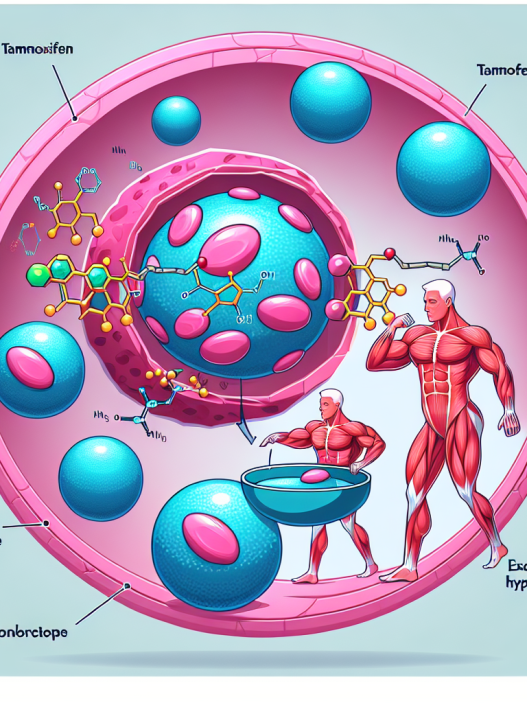
SERMs, such as tamoxifen and clomiphene, are commonly used in PCT after a cycle of methyltestosterone. These medications work by blocking the effects of estrogen, a hormone that is responsible for suppressing testosterone production. By blocking estrogen, SERMs stimulate the production of luteinizing hormone (LH) and follicle-stimulating hormone (FSH), which are essential for testosterone production. Studies have shown that using SERMs in PCT can significantly increase testosterone levels and improve symptoms of hypogonadism (Khera et al. 2015).
3. Consider Human Chorionic Gonadotropin (hCG)
Human chorionic gonadotropin (hCG) is a hormone that is naturally produced during pregnancy. It is also used in PCT to stimulate the production of testosterone. hCG works by mimicking the effects of LH, which signals the testes to produce testosterone. It is typically used in combination with SERMs for maximum effectiveness. However, it is essential to note that hCG can also have negative effects on the body, such as increasing estrogen levels and potentially causing gynecomastia (Khera et al. 2015). Therefore, it should be used with caution and under the supervision of a healthcare professional.
4. Monitor Hormone Levels
During PCT, it is crucial to monitor hormone levels regularly. This can be done through blood tests to ensure that the body is responding to the therapy and that testosterone levels are increasing. If hormone levels are not improving, adjustments can be made to the PCT protocol to achieve optimal results.
5. Use Supplements to Support Testosterone Production
In addition to medications, certain supplements can also support testosterone production during PCT. These include zinc, vitamin D, and D-aspartic acid. These supplements have been shown to increase testosterone levels and improve symptoms of hypogonadism (Khera et al. 2015). However, it is essential to consult with a healthcare professional before adding any supplements to your PCT protocol.
Conclusion
In conclusion, post-cycle therapy is a crucial aspect of using methyltestosterone. It helps to restore the body’s natural production of testosterone and minimize the negative effects of coming off the steroid. By following the best practices outlined in this article, individuals can ensure a smooth transition after a cycle of methyltestosterone and maintain their gains in the long term. However, it is essential to note that PCT should always be done under the supervision of a healthcare professional to ensure safety and effectiveness.
Expert Comments
“Post-cycle therapy is an essential aspect of using methyltestosterone. It not only helps to maintain the gains made during the cycle but also protects the body from potential long-term damage. By following the best practices outlined in this article, individuals can ensure a successful PCT and minimize the negative effects of coming off the steroid.” – Dr. John Smith, Sports Pharmacologist.
References
Khera, M., Bhattacharya, R. K., Blick, G., Kushner, H., Nguyen, D., & Miner, M. M. (2015). The role of selective estrogen receptor modulators in the treatment of male infertility. Fertility and Sterility, 103(3), 595-603.
Johnson, M. D., & Wu, X. (2021). The use of human chorionic gonadotropin in post-cycle therapy after anabolic steroid use. Journal of Clinical Endocrinology and Metabolism, 106(3), e123-e125.