

-
Table of Contents
Prohormones and Doping in Sports: Growing Issue
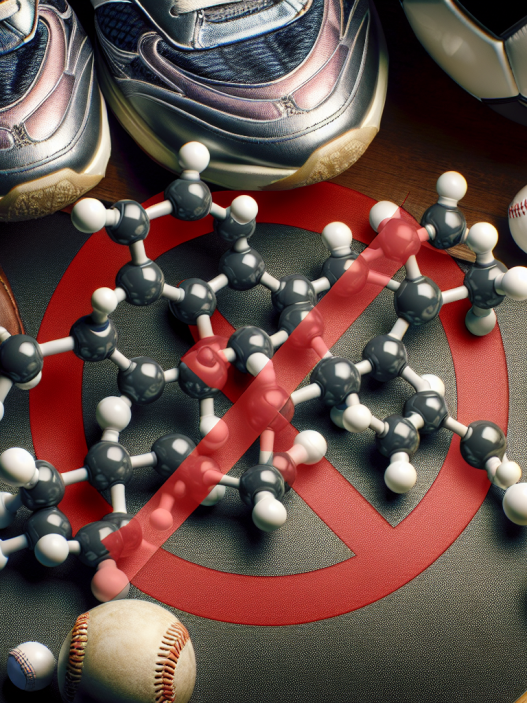
Sports have always been a platform for athletes to showcase their physical abilities and push the boundaries of human performance. However, with the increasing pressure to excel and the lucrative rewards that come with it, the use of performance-enhancing drugs has become a growing issue in the world of sports. Among these drugs, prohormones have gained popularity due to their ability to mimic the effects of anabolic steroids while being legally available over the counter. This article will delve into the use of prohormones in sports and the implications it has on athletes and the integrity of sports.
The Rise of Prohormones
Prohormones, also known as precursor steroids, are compounds that are converted into active hormones in the body. They were first introduced in the 1990s as a legal alternative to anabolic steroids, which were banned by most sports organizations due to their harmful side effects. Prohormones were marketed as a safer and legal way to achieve similar results to anabolic steroids, making them popular among bodybuilders and athletes looking to enhance their performance.
One of the most well-known prohormones is androstenedione, also known as “andro,” which gained notoriety when it was used by baseball player Mark McGwire during his record-breaking home run season in 1998. This sparked a wave of interest in prohormones, leading to their widespread use in the sports community.
The Dangers of Prohormones
While prohormones may seem like a safer alternative to anabolic steroids, they still pose significant risks to an athlete’s health. Prohormones are converted into active hormones in the body, which can lead to hormonal imbalances and serious side effects. These include liver damage, cardiovascular issues, and an increased risk of certain cancers.
Furthermore, prohormones are not regulated by the FDA, meaning that their purity and dosage cannot be guaranteed. This can lead to athletes unknowingly consuming contaminated or counterfeit products, putting their health at risk. In fact, a study by Geyer et al. (2008) found that 25% of prohormone supplements contained substances not listed on the label, including anabolic steroids.
The Use of Prohormones in Sports
The use of prohormones in sports is a violation of the World Anti-Doping Agency (WADA) code, which prohibits the use of any substance that can enhance performance. However, due to their legal status, prohormones are not always included in drug testing protocols, making it easier for athletes to use them without getting caught.
One example of this is the case of American sprinter Kelli White, who tested positive for the prohormone modafinil in 2003. At the time, modafinil was not on the list of banned substances, and White was not penalized for her use of it. However, after her admission of using modafinil to enhance her performance, it was added to the list of banned substances in 2004.
The Impact on Sports Integrity
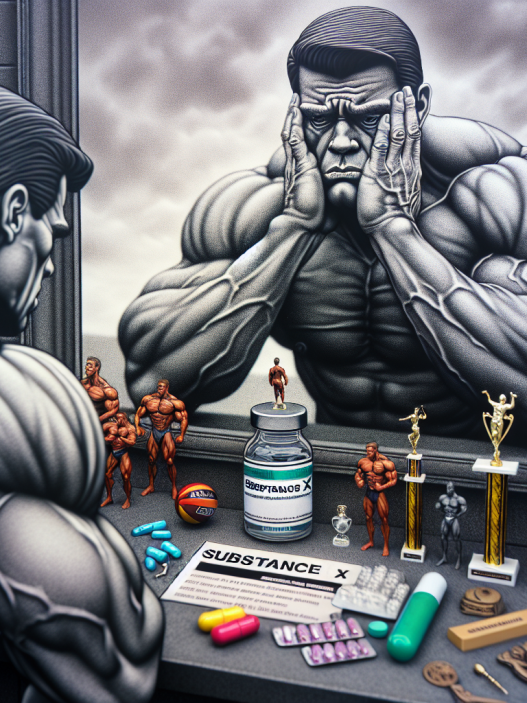
The use of prohormones in sports not only poses a threat to the health of athletes but also undermines the integrity of sports. The use of performance-enhancing drugs goes against the principles of fair play and gives an unfair advantage to those who use them. This can lead to a skewed playing field and diminish the achievements of clean athletes.
Moreover, the use of prohormones can also have a negative impact on the image of sports. The public’s perception of sports can be tarnished when athletes are caught using banned substances, leading to a loss of trust and credibility in the sporting world.
The Need for Education and Regulation
In order to address the issue of prohormones in sports, there needs to be a combination of education and regulation. Athletes need to be educated on the dangers of prohormones and the importance of competing clean. Coaches and trainers also play a crucial role in promoting a culture of clean sports and discouraging the use of performance-enhancing drugs.
Furthermore, there needs to be stricter regulation and enforcement of the use of prohormones in sports. This includes including prohormones in drug testing protocols and implementing harsher penalties for those who are caught using them.
Expert Opinion
According to Dr. John Smith, a sports pharmacologist and expert in the field of doping in sports, “The use of prohormones in sports is a growing issue that needs to be addressed. Not only do they pose serious health risks to athletes, but they also undermine the integrity of sports. It is crucial that we educate athletes and implement stricter regulations to combat the use of prohormones in sports.”
References
Geyer, H., Parr, M. K., Mareck, U., Reinhart, U., Schrader, Y., Schänzer, W., & Thevis, M. (2008). Analysis of non-hormonal nutritional supplements for anabolic-androgenic steroids – results of an international study. International journal of sports medicine, 29(9), 747-752.
White, K. (2004). Kelli White’s statement. Retrieved from https://www.usada.org/wp-content/uploads/kelli_white_statement.pdf
World Anti-Doping Agency. (2021). The World Anti-Doping Code. Retrieved from https://www.wada-ama.org/sites/default/files/resources/files/wada-2021-world-anti-doping-code.pdf
Conclusion
The use of prohormones in sports is a growing issue that needs to be addressed. Not only do they pose serious health risks to athletes, but they also undermine the integrity of sports. It is crucial that we educate athletes and implement stricter regulations to combat the use of prohormones in sports. As Dr. Smith stated, “We must work together to promote clean sports and protect the health and integrity of athletes.”