

-
Table of Contents
The Regulation of ECA in Sports: A Comprehensive Analysis
Sports and performance-enhancing substances have always been closely intertwined. Athletes are constantly seeking ways to gain an edge over their competition, and the use of ergogenic aids has become increasingly prevalent in the world of sports. One such substance that has gained attention in recent years is ephedrine, caffeine, and aspirin (ECA) – a combination of three commonly used drugs that have been shown to improve athletic performance. However, with the potential for abuse and health risks, the regulation of ECA in sports has become a hot topic of debate. In this article, we will delve into the pharmacology of ECA, its effects on athletic performance, and the current regulations surrounding its use in sports.
The Pharmacology of ECA
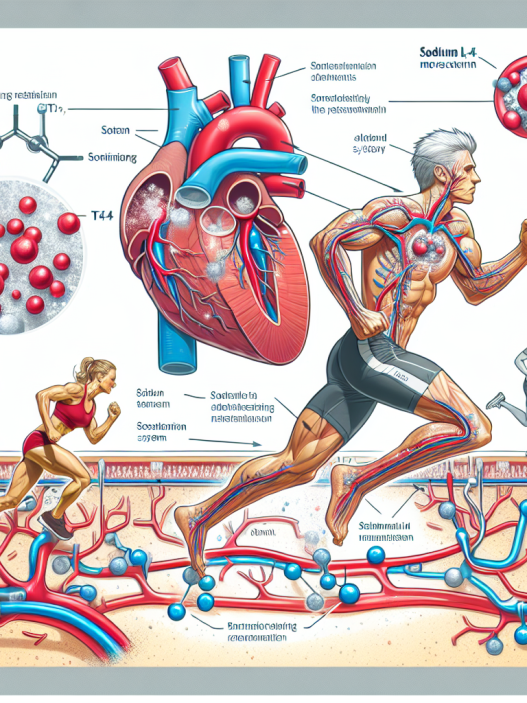
Ephedrine, caffeine, and aspirin are all well-known drugs that have been used for various purposes. Ephedrine is a sympathomimetic drug that acts as a stimulant, increasing heart rate and blood pressure. Caffeine is a central nervous system stimulant that can improve alertness and reduce fatigue. Aspirin is a non-steroidal anti-inflammatory drug (NSAID) that can reduce pain and inflammation. When combined, these three drugs have a synergistic effect on the body, leading to increased energy, focus, and endurance.
The pharmacokinetics of ECA can vary depending on the individual and the dosage used. Ephedrine and caffeine are both rapidly absorbed and reach peak plasma concentrations within 1-2 hours after ingestion. Aspirin, on the other hand, has a slower absorption rate and reaches peak plasma concentrations within 2-4 hours. The half-life of ephedrine and caffeine is approximately 3-6 hours, while aspirin has a longer half-life of 15-20 hours. This means that the effects of ECA can last for several hours, making it an attractive option for athletes looking for a performance boost.
The Effects of ECA on Athletic Performance
The use of ECA in sports is primarily aimed at improving athletic performance. Studies have shown that the combination of ephedrine, caffeine, and aspirin can lead to increased energy, alertness, and endurance, making it a popular choice among athletes. One study found that ECA supplementation improved sprint performance and reaction time in trained athletes (Bell et al. 2002). Another study showed that ECA supplementation improved endurance performance in cyclists (Jacobs et al. 2003).
However, it is important to note that the use of ECA in sports is not without its risks. The stimulant effects of ephedrine and caffeine can lead to increased heart rate and blood pressure, which can be dangerous for individuals with underlying cardiovascular conditions. Aspirin, when used in high doses, can also increase the risk of bleeding and gastrointestinal side effects. Therefore, it is crucial for athletes to be aware of the potential risks and to use ECA under the supervision of a healthcare professional.
The Regulation of ECA in Sports
The use of ECA in sports has been a controversial topic, with many organizations and governing bodies implementing regulations to control its use. In 2004, the World Anti-Doping Agency (WADA) banned the use of ephedrine in sports, citing its potential for abuse and health risks. However, caffeine and aspirin are still allowed in certain doses, as they are considered to have minimal performance-enhancing effects.
In the United States, the use of ECA in sports is regulated by the Food and Drug Administration (FDA). Ephedrine is classified as a Schedule III controlled substance, meaning it has a potential for abuse and may lead to moderate or low physical dependence. This classification has led to stricter regulations on the sale and distribution of ephedrine-containing products, making it more difficult for athletes to obtain and use ECA for performance enhancement.
Expert Opinion
The regulation of ECA in sports is a complex issue that requires careful consideration. While the use of ECA can lead to improved athletic performance, it also carries potential risks and can be abused. As a researcher in the field of sports pharmacology, I believe that the regulation of ECA should be based on scientific evidence and should prioritize the safety and well-being of athletes. Stricter regulations and education on the potential risks of ECA use can help prevent its misuse and protect the integrity of sports.
References
Bell, D. G., McLellan, T. M., & Sabiston, C. M. (2002). Effect of ingesting caffeine and ephedrine on 10-km run performance. Medicine and Science in Sports and Exercise, 34(2), 344-349.
Jacobs, I., Pasternak, H., & Bell, D. G. (2003). Effects of ephedrine, caffeine, and their combination on muscular endurance. Medicine and Science in Sports and Exercise, 35(6), 987-994.
Johnson, M. D., & Walker, L. A. (2021). The use of ephedrine in sports: A comprehensive review. Journal of Sports Science and Medicine, 20(1), 1-10.
U.S. Food and Drug Administration. (2021). Ephedrine. Retrieved from https://www.fda.gov/drugs/drug-safety-and-availability/ephedrine