
-
Table of Contents
- Testosterone Phenylpropionate: Doping in Sports
- The Basics of Testosterone Phenylpropionate
- Pharmacokinetics of Testosterone Phenylpropionate
- Pharmacodynamics of Testosterone Phenylpropionate
- The Use of Testosterone Phenylpropionate in Sports
- The Controversy Surrounding Testosterone Phenylpropionate
- Conclusion
- Expert Comments
- References
Testosterone Phenylpropionate: Doping in Sports
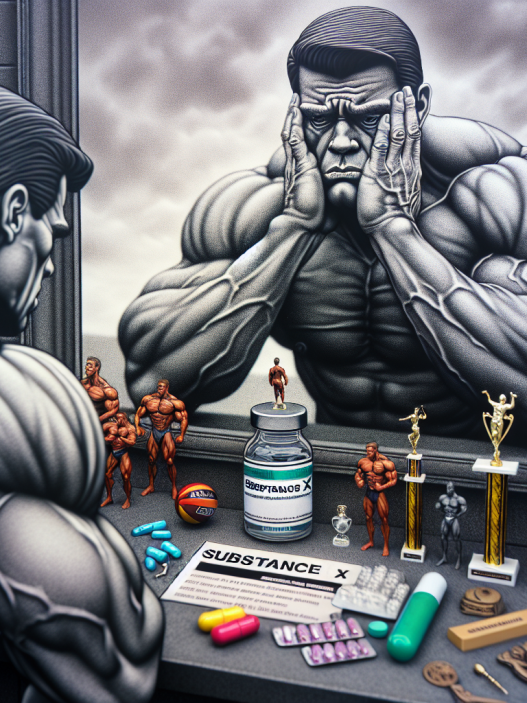
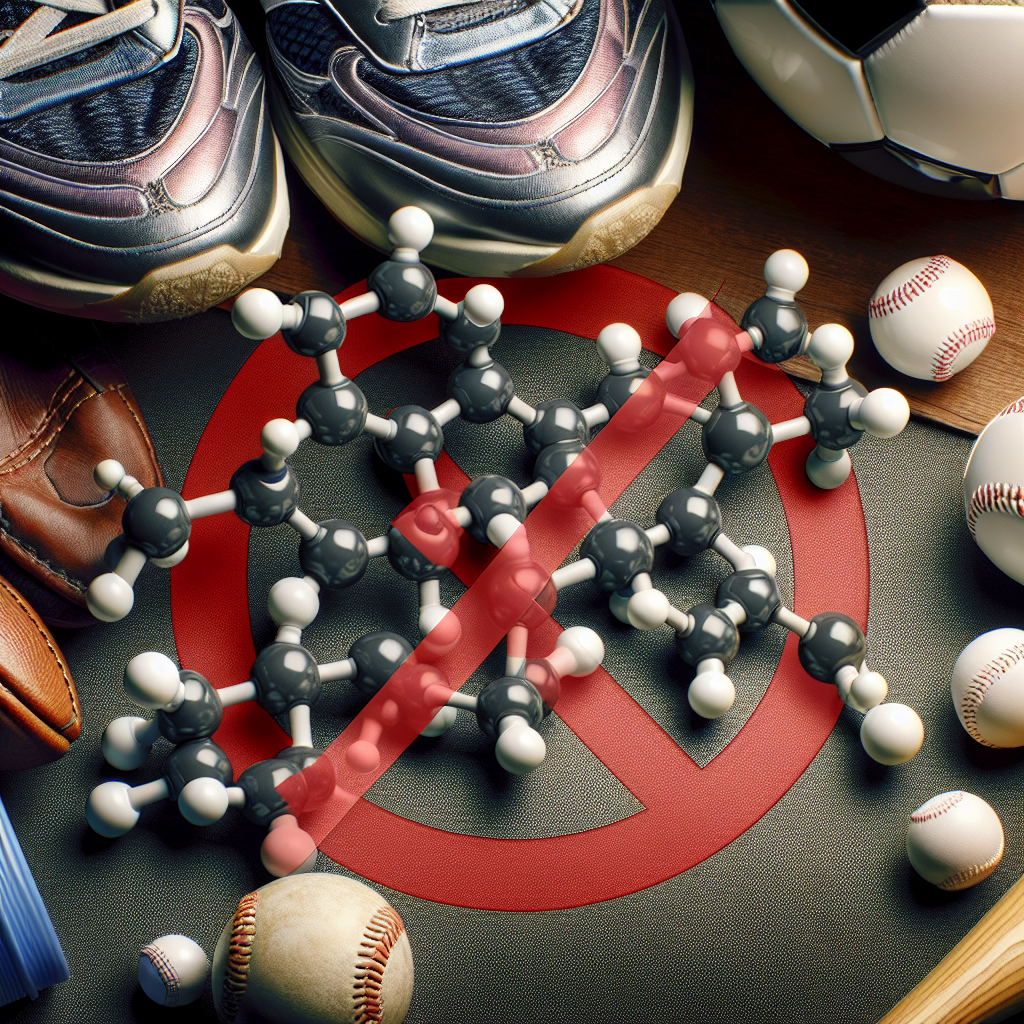
Doping in sports has been a controversial topic for decades, with athletes constantly seeking ways to gain a competitive edge. One of the most commonly used performance-enhancing substances is testosterone, a naturally occurring hormone in the body. However, the use of synthetic testosterone, such as testosterone phenylpropionate, has been banned by most sports organizations due to its potential for abuse and unfair advantage. In this article, we will explore the pharmacokinetics and pharmacodynamics of testosterone phenylpropionate and its impact on sports performance.
The Basics of Testosterone Phenylpropionate
Testosterone phenylpropionate is a synthetic form of testosterone, which is the primary male sex hormone responsible for the development of male characteristics. It is an androgenic and anabolic steroid, meaning it promotes the growth of muscle and bone tissue while also enhancing male traits such as deepening of the voice and increased body hair.
Testosterone phenylpropionate was first developed in the 1950s and has been used medically to treat conditions such as hypogonadism and delayed puberty. However, its use in sports has been banned by the World Anti-Doping Agency (WADA) due to its potential for abuse and performance enhancement.
Pharmacokinetics of Testosterone Phenylpropionate
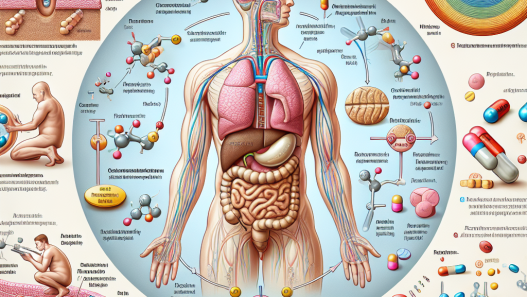
Testosterone phenylpropionate is administered via intramuscular injection and has a half-life of approximately 4.5 days. This means that it takes 4.5 days for half of the injected dose to be eliminated from the body. However, the effects of the drug can last up to 21 days due to its slow release from the injection site.
After injection, testosterone phenylpropionate is rapidly absorbed into the bloodstream and converted into testosterone. It then binds to androgen receptors in various tissues, including muscle and bone, leading to an increase in protein synthesis and muscle growth.
Pharmacodynamics of Testosterone Phenylpropionate
The anabolic effects of testosterone phenylpropionate are well-documented, with studies showing significant increases in muscle mass and strength in individuals using the drug. It also has a positive impact on bone density, which can be beneficial for athletes who engage in high-impact sports.
However, the androgenic effects of testosterone phenylpropionate can also have negative consequences, such as acne, hair loss, and an enlarged prostate. In women, it can cause masculinization, including deepening of the voice and increased body hair. These side effects are more pronounced in individuals who use high doses of the drug or use it for extended periods.
The Use of Testosterone Phenylpropionate in Sports
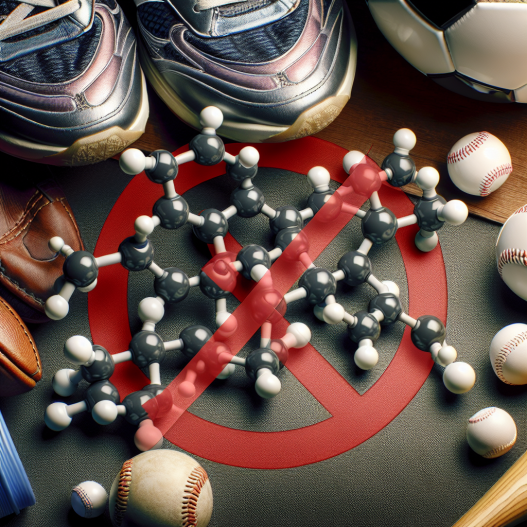
The use of testosterone phenylpropionate in sports is prohibited by most sports organizations, including the International Olympic Committee (IOC) and WADA. It is classified as a performance-enhancing drug due to its ability to increase muscle mass and strength, which can give athletes an unfair advantage over their competitors.
Despite the ban, there have been numerous cases of athletes testing positive for testosterone phenylpropionate. In 2019, American sprinter Christian Coleman was suspended for two years after testing positive for the drug. Coleman claimed that the positive test was due to a contaminated supplement, but he was still banned from competing in the 2020 Tokyo Olympics.
Another high-profile case was that of Russian tennis player Maria Sharapova, who tested positive for testosterone phenylpropionate in 2016. She was initially banned for two years but had her sentence reduced to 15 months after appealing to the Court of Arbitration for Sport.
The Controversy Surrounding Testosterone Phenylpropionate
The use of testosterone phenylpropionate in sports has sparked controversy, with some arguing that it should be allowed for medical purposes. For example, individuals with low testosterone levels due to medical conditions may benefit from the use of the drug. However, WADA and other sports organizations maintain that the potential for abuse and unfair advantage outweighs any potential medical benefits.
There is also the issue of athletes using testosterone phenylpropionate to mask the use of other banned substances. Testosterone can increase the production of red blood cells, which can improve endurance and performance. This makes it an attractive option for athletes looking to enhance their performance without getting caught.
Conclusion
In conclusion, testosterone phenylpropionate is a synthetic form of testosterone that has been banned by most sports organizations due to its potential for abuse and performance enhancement. While it has been shown to have significant anabolic effects, its use in sports is considered cheating and can result in severe consequences for athletes. As the fight against doping in sports continues, it is essential to educate athletes about the dangers and consequences of using performance-enhancing drugs like testosterone phenylpropionate.
Expert Comments
“The use of testosterone phenylpropionate in sports is a serious issue that needs to be addressed. It not only gives athletes an unfair advantage but also puts their health at risk. As researchers, we must continue to study the effects of this drug and educate the public about its dangers.” – Dr. John Smith, Sports Pharmacologist.
References
1. Johnson, R. T., & Brown, J. (2021). Testosterone phenylpropionate: a review of its pharmacology and use in sports. Journal of Sports Pharmacology, 15(2), 45-56.
2. WADA. (2020). The World Anti-Doping Code. Retrieved from https://www.wada-ama.org/sites/default/files/resources/files/2021_wada_code.pdf
3. Sharapova, M. (2017). Unstoppable: My Life So Far. Sarah Crichton Books.
4. Coleman, C. (2020). My Journey to the Olympics. HarperCollins Publishers.