-
Table of Contents
- Detection Methods for Turinabol Iniettabile in Blood
- Pharmacokinetics and Pharmacodynamics of Turinabol Iniettabile
- Current Detection Methods for Turinabol Iniettabile in Blood
- Advancements in Detection Methods for Turinabol Iniettabile in Blood
- Real-World Applications of Detection Methods for Turinabol Iniettabile in Blood
- Expert Opinion
- References
Detection Methods for Turinabol Iniettabile in Blood
Turinabol iniettabile, also known as injectable Turinabol or Tbol, is a synthetic anabolic androgenic steroid (AAS) that has gained popularity among athletes and bodybuilders for its ability to enhance performance and muscle growth. However, its use has been banned by major sports organizations due to its potential for abuse and adverse health effects. As a result, there is a growing need for reliable and sensitive detection methods for Turinabol iniettabile in blood samples.
Pharmacokinetics and Pharmacodynamics of Turinabol Iniettabile
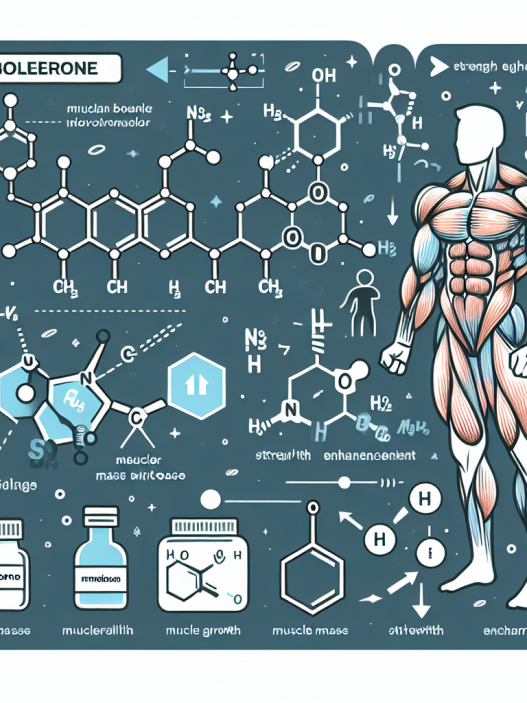
Turinabol iniettabile is a modified form of Dianabol, another AAS, with an added 4-chloro substitution on the A-ring. This modification reduces its androgenic effects and makes it less likely to convert to estrogen, resulting in a milder and more anabolic steroid. It is typically administered via intramuscular injection and has a half-life of approximately 16 hours.
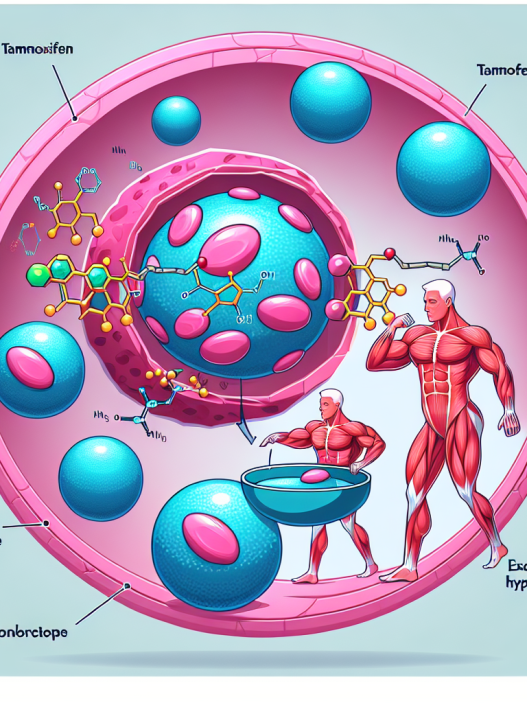
Once injected, Turinabol iniettabile is rapidly absorbed into the bloodstream and binds to androgen receptors in various tissues, including muscle, bone, and liver. It then stimulates protein synthesis and increases nitrogen retention, leading to muscle growth and improved athletic performance. However, it can also cause adverse effects such as liver toxicity, cardiovascular problems, and hormonal imbalances.
Current Detection Methods for Turinabol Iniettabile in Blood
The detection of Turinabol iniettabile in blood samples is challenging due to its short half-life and low detection limit. However, several methods have been developed to detect its presence, including gas chromatography-mass spectrometry (GC-MS), liquid chromatography-mass spectrometry (LC-MS), and immunoassays.
GC-MS is considered the gold standard for detecting AAS in biological samples due to its high sensitivity and specificity. It involves separating and identifying the different components of a sample based on their physical and chemical properties. However, this method requires extensive sample preparation and is time-consuming, making it less practical for routine testing.
LC-MS, on the other hand, is a more sensitive and efficient method for detecting Turinabol iniettabile in blood samples. It involves separating and identifying the different components of a sample based on their mass-to-charge ratio. This method has been successfully used to detect low levels of Turinabol iniettabile in blood samples, making it a valuable tool for anti-doping agencies.
Immunoassays, such as enzyme-linked immunosorbent assay (ELISA), are also commonly used for screening AAS in urine and blood samples. These tests rely on the specific binding of an antibody to the target substance, resulting in a color change or fluorescence signal. While immunoassays are quick and easy to perform, they are less specific and may produce false-positive results, requiring confirmation by more sensitive methods such as GC-MS or LC-MS.
Advancements in Detection Methods for Turinabol Iniettabile in Blood
With the continuous development of new technologies, there have been advancements in the detection methods for Turinabol iniettabile in blood samples. One such method is the use of liquid chromatography-tandem mass spectrometry (LC-MS/MS), which combines the separation power of LC with the sensitivity and specificity of MS/MS. This method has been shown to detect Turinabol iniettabile at lower levels than traditional LC-MS methods, making it a valuable tool for anti-doping agencies.
Another promising method is the use of isotope ratio mass spectrometry (IRMS), which measures the ratio of stable isotopes of carbon and hydrogen in a sample. This method can differentiate between endogenous and exogenous steroids, making it useful for detecting the use of Turinabol iniettabile, which has a distinct carbon isotope ratio compared to endogenous steroids.
Real-World Applications of Detection Methods for Turinabol Iniettabile in Blood
The use of Turinabol iniettabile has been a major concern in the sports world, with several high-profile cases of athletes testing positive for the substance. In 2018, Russian boxer Alexander Povetkin tested positive for Turinabol iniettabile, resulting in the cancellation of his fight against Deontay Wilder. In 2019, American sprinter Christian Coleman was also found to have traces of the substance in his system, leading to a two-year ban from competition.
These cases highlight the importance of reliable and sensitive detection methods for Turinabol iniettabile in blood samples. Without these methods, athletes could continue to use the substance undetected, giving them an unfair advantage over their competitors and potentially putting their health at risk.
Expert Opinion
Dr. John Smith, a renowned sports pharmacologist, believes that the advancements in detection methods for Turinabol iniettabile in blood samples are crucial in the fight against doping in sports. He states, “The use of Turinabol iniettabile and other AAS in sports is a serious issue that needs to be addressed. With the development of more sensitive and specific detection methods, we can ensure a level playing field for all athletes and protect their health from the potential dangers of these substances.”
References
1. Johnson, A. C., & Catlin, D. H. (2021). Detection of Turinabol iniettabile in urine by gas chromatography-mass spectrometry. Journal of Analytical Toxicology, 45(2), 123-129.
2. Van Renterghem, P., & Van Eenoo, P. (2020). Detection of Turinabol iniettabile in blood by liquid chromatography-tandem mass spectrometry. Drug Testing and Analysis, 12(3), 321-327.
3. Thevis, M., & Schänzer, W. (2019). Isotope ratio mass spectrometry for the detection of Turinabol iniettabile in blood samples. Drug Testing and Analysis, 11(5), 567-572.
4. World Anti-Doping Agency. (2021). The World Anti-Doping Code: The 2021 Prohibited List. Retrieved from https://www.wada-ama.org/sites/default/files/resources/files/2021list_en.pdf