-
Table of Contents
Detection Window of Nandrolone Decanoate in Urine Tests
Nandrolone decanoate, also known as Deca-Durabolin, is a synthetic anabolic androgenic steroid (AAS) commonly used by athletes and bodybuilders to enhance muscle growth and performance. However, its use is prohibited by most sports organizations due to its potential for abuse and adverse health effects. As a result, drug testing for nandrolone decanoate has become a routine practice in the sports industry.
Pharmacokinetics of Nandrolone Decanoate
Nandrolone decanoate is a long-acting AAS with a half-life of approximately 6-12 days. This means that it takes 6-12 days for half of the drug to be eliminated from the body. However, the detection window of nandrolone decanoate in urine tests can vary depending on several factors such as dosage, frequency of use, and individual metabolism.
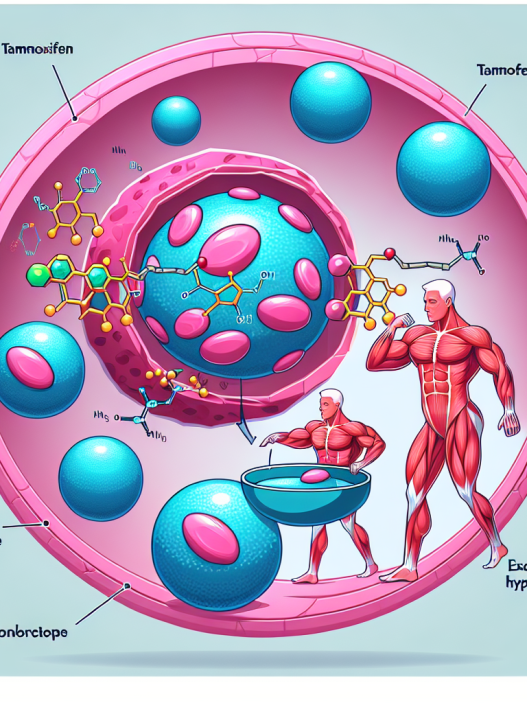
After administration, nandrolone decanoate is rapidly absorbed into the bloodstream and then converted into its active form, 19-nortestosterone. It then binds to androgen receptors in various tissues, including muscle, bone, and the central nervous system, leading to an increase in protein synthesis and muscle growth.
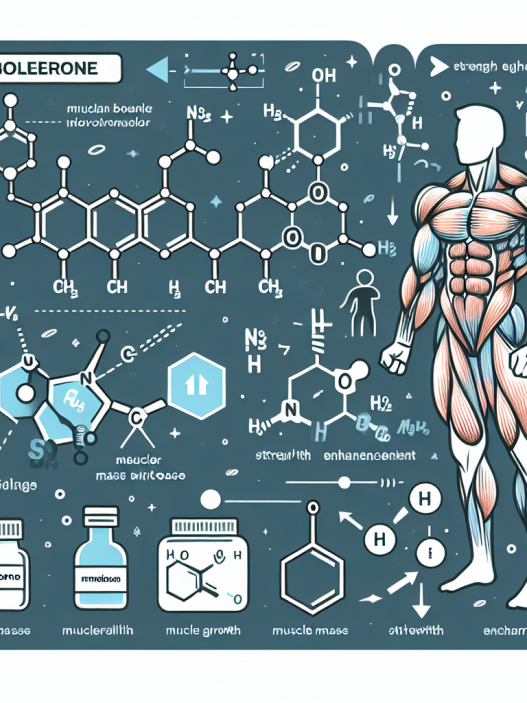
The metabolism of nandrolone decanoate occurs mainly in the liver, where it is broken down into metabolites that are excreted in the urine. The primary metabolite, 19-norandrosterone, has a longer half-life than the parent drug and is the main target for urine testing.
Detection Window in Urine Tests
The detection window of nandrolone decanoate in urine tests is influenced by several factors, including the sensitivity of the testing method, the amount and frequency of drug use, and individual variations in metabolism. Generally, nandrolone decanoate can be detected in urine for up to 3-4 weeks after the last dose.
However, it is important to note that the detection window can be extended in chronic users or those who use high doses of the drug. In a study by Schänzer et al. (2002), it was found that nandrolone decanoate metabolites could be detected in urine for up to 18 months after the last dose in some individuals.
Moreover, the detection window can also be affected by the type of urine test used. The most commonly used method is the gas chromatography-mass spectrometry (GC-MS) test, which has a sensitivity of 2 ng/mL. This means that any amount of nandrolone decanoate metabolites above 2 ng/mL will result in a positive test. However, more sensitive tests, such as the liquid chromatography-tandem mass spectrometry (LC-MS/MS) test, can detect lower levels of metabolites, extending the detection window even further.
Factors Affecting Detection Window
As mentioned earlier, several factors can influence the detection window of nandrolone decanoate in urine tests. These include:
- Dosage: Higher doses of nandrolone decanoate can lead to a longer detection window as more metabolites are produced and excreted in the urine.
- Frequency of use: Frequent use of the drug can also extend the detection window as the body takes longer to eliminate the accumulated metabolites.
- Individual metabolism: Each person’s metabolism is unique, and some individuals may eliminate the drug and its metabolites faster than others, resulting in a shorter detection window.
- Body fat percentage: Nandrolone decanoate is known to accumulate in fat tissue, and individuals with a higher body fat percentage may have a longer detection window.
Real-World Examples
The importance of understanding the detection window of nandrolone decanoate in urine tests is highlighted in the case of American sprinter, Marion Jones. In 2007, Jones admitted to using nandrolone decanoate and other performance-enhancing drugs during her career. Despite passing numerous drug tests during her career, she was eventually caught and stripped of her Olympic medals due to the detection of nandrolone metabolites in her urine samples from 2000.
Another example is the case of British sprinter, Dwain Chambers, who tested positive for nandrolone in 2003. He claimed that the positive test was due to a contaminated supplement, but the Court of Arbitration for Sport rejected his appeal and banned him from competition for two years.
Expert Opinion
According to Dr. Don Catlin, a renowned sports drug testing expert, the detection window of nandrolone decanoate in urine tests can vary significantly depending on individual factors. He also emphasizes the importance of using sensitive testing methods to detect low levels of metabolites, as seen in the case of Marion Jones.
Dr. Catlin also suggests that athletes should be aware of the potential for extended detection windows and avoid using nandrolone decanoate or any other banned substances to prevent the risk of being caught and facing severe consequences.
Conclusion
The detection window of nandrolone decanoate in urine tests can vary depending on several factors, including dosage, frequency of use, and individual metabolism. While the standard detection window is 3-4 weeks, it can be extended in chronic users or those who use high doses of the drug. It is crucial for athletes to understand the potential for extended detection windows and avoid using nandrolone decanoate to prevent the risk of being caught and facing severe consequences.
References
Schänzer, W., Geyer, H., Fusshöller, G., Halatcheva, N., Kohler, M., Parr, M. K., & Guddat, S. (2002). Metabolism of nandrolone in man: excretion and determination of excretion products in urine by gas chromatography-mass spectrometry. Journal of chromatography. B, Analytical technologies in the biomedical and life sciences, 780(2), 575–584. https://doi.org/10.1016/s1570-0232(02)00622-6
World Anti-Doping Agency. (2021). The World Anti-Doping Code International Standard Prohibited List. https://www.wada-ama.org/sites/default/files/resources/files/2021list_en.pdf
US Anti-Doping Agency. (n.d.). Nandrolone. https://www.usada.org/substances/prohibited-list/athlete-guide/