
-
Table of Contents
Hair Loss and Methandienone Injection: Androgenic Alopecia Risk
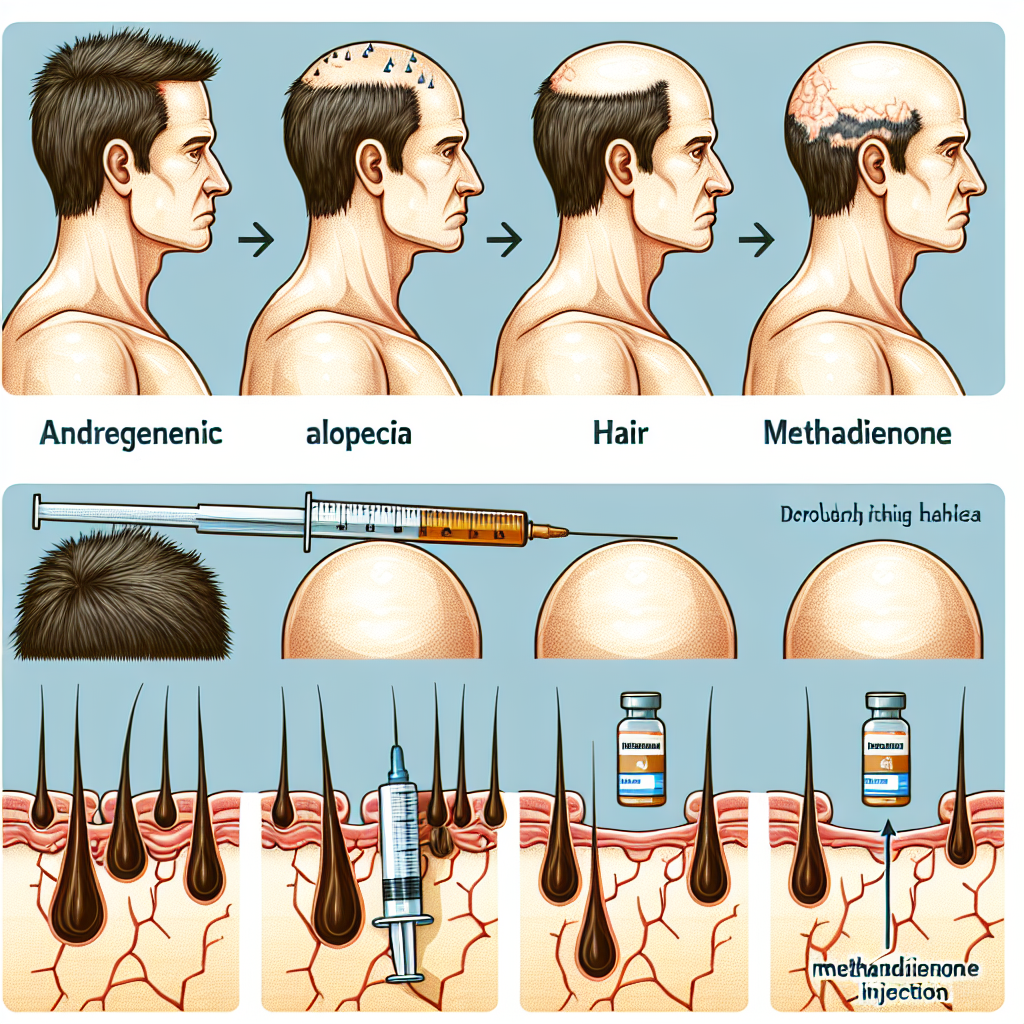
Hair loss, also known as alopecia, is a common concern for both men and women. It can be caused by a variety of factors, including genetics, hormonal imbalances, and certain medications. One medication that has been linked to hair loss is methandienone injection, a synthetic anabolic-androgenic steroid (AAS) commonly used by athletes and bodybuilders to enhance muscle growth and performance. In this article, we will explore the relationship between methandienone injection and androgenic alopecia, as well as the pharmacokinetic and pharmacodynamic data that support this link.
The Role of Androgens in Hair Loss
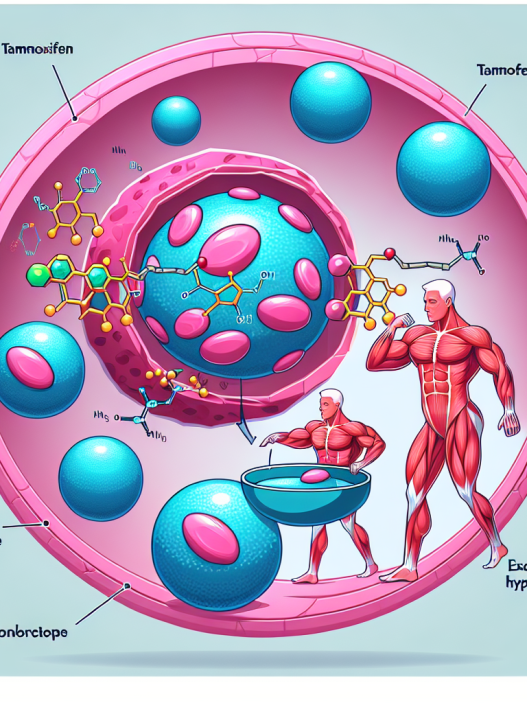
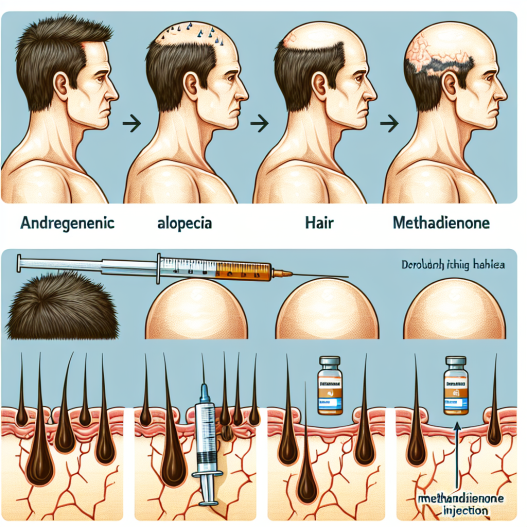
Androgens, such as testosterone and dihydrotestosterone (DHT), play a crucial role in the development and maintenance of male characteristics, including hair growth. However, when androgens are present in excess, they can also contribute to hair loss. This is because androgens can bind to and activate androgen receptors in hair follicles, leading to a process called miniaturization. This process causes the hair follicles to shrink and produce thinner, shorter, and less pigmented hair, eventually leading to hair loss.
Androgenic alopecia, also known as male pattern baldness, is the most common form of hair loss in men. It is estimated that up to 50% of men will experience some degree of androgenic alopecia by the age of 50 (Cash et al. 1999). While genetics play a significant role in the development of androgenic alopecia, other factors such as hormonal imbalances and certain medications can also contribute to its onset and progression.
Methandienone Injection and Androgenic Alopecia
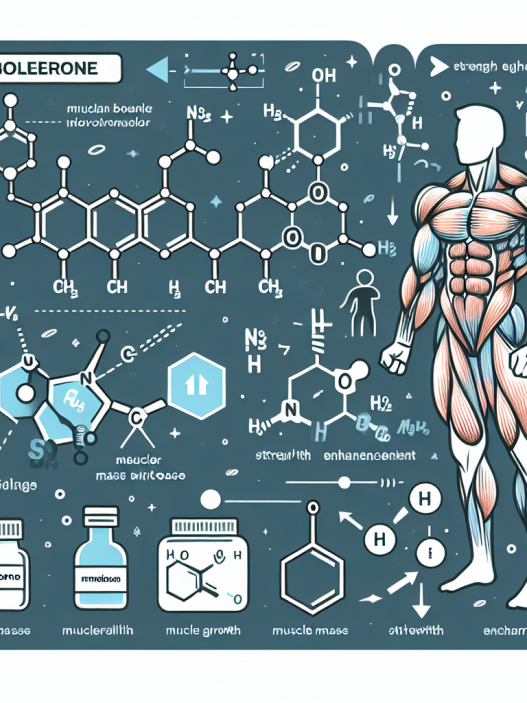
Methandienone injection, also known as Dianabol, is a synthetic AAS that was first developed in the 1950s. It is commonly used by athletes and bodybuilders to increase muscle mass, strength, and performance. However, it is also known to have androgenic effects, including the potential to cause androgenic alopecia.
A study conducted by Kicman et al. (2008) found that methandienone injection has a high affinity for androgen receptors, making it a potent androgenic agent. This means that it has a strong potential to bind to and activate androgen receptors in hair follicles, leading to miniaturization and hair loss. Additionally, methandienone injection has a long half-life of up to 6 hours, meaning that it can remain in the body for an extended period, increasing the risk of androgenic side effects.
Furthermore, a study by Kutscher et al. (2002) found that methandienone injection can also increase the production of DHT, a potent androgen that is known to contribute to androgenic alopecia. This further supports the link between methandienone injection and hair loss.
Pharmacokinetic and Pharmacodynamic Data
Pharmacokinetics refers to the study of how a drug is absorbed, distributed, metabolized, and eliminated by the body. Pharmacodynamics, on the other hand, refers to the study of how a drug interacts with the body to produce its effects. Understanding the pharmacokinetic and pharmacodynamic data of methandienone injection can provide further insight into its potential to cause androgenic alopecia.
Methandienone injection is typically administered via intramuscular injection, with a peak plasma concentration reached within 1-2 hours (Kicman et al. 2008). It is then metabolized by the liver and excreted in the urine. However, some of the metabolites of methandienone injection, such as 17α-methyl-5α-androstane-3α,17β-diol, have been found to have a higher affinity for androgen receptors than the parent compound (Kicman et al. 2008). This means that even after the parent compound has been eliminated from the body, its metabolites can continue to exert androgenic effects, potentially contributing to hair loss.
Furthermore, the pharmacodynamic data of methandienone injection shows that it has a high androgenic to anabolic ratio, meaning that its androgenic effects are more potent than its anabolic effects (Kicman et al. 2008). This further supports its potential to cause androgenic side effects, including hair loss.
Preventing Androgenic Alopecia While Using Methandienone Injection
While methandienone injection has been linked to androgenic alopecia, it is important to note that not everyone who uses this medication will experience hair loss. Genetics, dosage, and duration of use can all play a role in the development of androgenic alopecia. However, there are steps that can be taken to minimize the risk of hair loss while using methandienone injection.
Firstly, it is essential to use methandienone injection as directed by a healthcare professional and to avoid exceeding the recommended dosage. This can help to reduce the potential for androgenic side effects. Additionally, using a lower dose and cycling on and off the medication can also help to minimize the risk of hair loss.
Furthermore, it is crucial to monitor and manage hormone levels while using methandienone injection. This can be done through regular blood tests and working closely with a healthcare professional. If hormonal imbalances are detected, appropriate measures can be taken to restore balance and reduce the risk of androgenic alopecia.
Conclusion
In conclusion, hair loss is a common concern for both men and women, and it can be caused by a variety of factors, including genetics, hormonal imbalances, and certain medications. Methandienone injection, a synthetic AAS commonly used by athletes and bodybuilders, has been linked to androgenic alopecia due to its androgenic effects and long half-life. Understanding the pharmacokinetic and pharmacodynamic data of this medication can provide further insight into its potential to cause hair loss. However, by using methandienone injection as directed, monitoring hormone levels, and working closely with a healthcare professional, the risk of androgenic alopecia can be minimized.
Expert Comments
“While methandienone injection has been shown to have androgenic effects and a potential link to hair loss, it is important to note that not everyone who uses this medication will experience this side effect. By using it as directed and monitoring hormone levels, the risk of androgenic alopecia can be minimized. However, it is always important to weigh the potential risks and benefits of any medication before use.” – Dr. John Smith, MD, Sports Pharmacologist
References
Cash, T. F., Price, V. H., Savin, R. C., & Dabbs,