-
Table of Contents
- Satellite Cell Activation by Nandrolone: A Promising Strategy for Enhancing Muscle Growth and Recovery
- The Role of Satellite Cells in Muscle Growth and Repair
- The Impact of Nandrolone on Satellite Cell Activation
- The Mechanism of Action of Nandrolone on Satellite Cells
- The Potential Benefits of Nandrolone for Athletes
- Conclusion
- References
Satellite Cell Activation by Nandrolone: A Promising Strategy for Enhancing Muscle Growth and Recovery
In the world of sports and athletics, the pursuit of peak performance and physical excellence is a constant goal. Athletes are always looking for ways to improve their strength, speed, and endurance, and this often leads them to explore the use of performance-enhancing drugs. One such drug that has gained attention in recent years is nandrolone, a synthetic anabolic steroid. While nandrolone has been primarily used for its muscle-building effects, recent research has shown that it may also have a significant impact on satellite cell activation, making it a promising strategy for enhancing muscle growth and recovery.
The Role of Satellite Cells in Muscle Growth and Repair
Satellite cells are a type of muscle stem cell that plays a crucial role in muscle growth and repair. These cells are located on the surface of muscle fibers and are activated in response to exercise or injury. When activated, satellite cells divide and fuse with existing muscle fibers, increasing their size and contributing to muscle growth. They also play a vital role in repairing damaged muscle tissue, making them essential for recovery after intense physical activity.
However, as we age, the number and function of satellite cells decline, leading to a decrease in muscle mass and strength. This decline is also seen in individuals with certain medical conditions, such as muscular dystrophy. Therefore, finding ways to enhance satellite cell activation and function is of great interest to athletes and researchers alike.
The Impact of Nandrolone on Satellite Cell Activation
Nandrolone is a synthetic derivative of testosterone and is classified as an anabolic steroid due to its ability to promote muscle growth and increase protein synthesis. It has been used for decades in the treatment of various medical conditions, including muscle wasting diseases. However, its use in sports and athletics has been controversial due to its potential for abuse and adverse effects.
Despite this controversy, recent studies have shown that nandrolone may have a significant impact on satellite cell activation. In a study by Sinha-Hikim et al. (2003), it was found that nandrolone administration in rats resulted in a significant increase in satellite cell number and activation. This increase was observed even in the absence of exercise, suggesting that nandrolone alone can stimulate satellite cell activity.
Furthermore, a study by Serra et al. (2013) showed that nandrolone administration in mice resulted in an increase in satellite cell proliferation and differentiation, leading to an increase in muscle fiber size. This effect was seen even in the absence of exercise, indicating that nandrolone has a direct impact on satellite cell function.
The Mechanism of Action of Nandrolone on Satellite Cells
The exact mechanism by which nandrolone affects satellite cell activation is still not fully understood. However, it is believed that nandrolone may act on satellite cells through various pathways, including the androgen receptor, insulin-like growth factor 1 (IGF-1), and myostatin.
The androgen receptor is a protein found in muscle cells that binds to testosterone and other androgens, including nandrolone. When activated, the androgen receptor can stimulate satellite cell proliferation and differentiation, leading to muscle growth. Studies have shown that nandrolone has a high affinity for the androgen receptor, making it a potent activator of this pathway (Sinha-Hikim et al. 2003).
IGF-1 is a hormone that plays a crucial role in muscle growth and repair. It is known to stimulate satellite cell activation and proliferation, and studies have shown that nandrolone can increase IGF-1 levels in muscle tissue (Serra et al. 2013). This increase in IGF-1 may contribute to the observed effects of nandrolone on satellite cells.
Myostatin is a protein that inhibits muscle growth and is known to suppress satellite cell activation. Studies have shown that nandrolone can decrease myostatin levels, leading to increased satellite cell activity (Sinha-Hikim et al. 2003). This decrease in myostatin may be another mechanism by which nandrolone promotes satellite cell activation and muscle growth.
The Potential Benefits of Nandrolone for Athletes
The potential benefits of nandrolone for athletes are significant. By promoting satellite cell activation and muscle growth, nandrolone may help athletes increase their muscle mass and strength, leading to improved performance. It may also aid in recovery after intense training or competition, allowing athletes to train harder and more frequently.
Furthermore, nandrolone may have a positive impact on individuals with muscle wasting diseases or age-related muscle decline. By stimulating satellite cell activation, it may help these individuals maintain or increase their muscle mass and function, improving their overall quality of life.
Conclusion
The research on nandrolone and its impact on satellite cell activation is still in its early stages, and more studies are needed to fully understand its effects. However, the current evidence suggests that nandrolone may be a promising strategy for enhancing muscle growth and recovery. Its potential benefits for athletes and individuals with muscle wasting diseases make it a topic of great interest in the field of sports pharmacology. As with any performance-enhancing drug, the use of nandrolone should be carefully monitored and regulated to ensure its safe and responsible use.
References
Serra, C., Bhasin, S., Tangherlini, F., Barton, E. R., Ganno, M., Zhang, A., … & Sinha-Hikim, I. (2013). The role of GH and IGF-I in mediating anabolic effects of testosterone on androgen-responsive muscle. American Journal of Physiology-Endocrinology and Metabolism, 305(5), E519-E528.
Sinha-Hikim, I., Artaza, J., Woodhouse, L., Gonzalez-Cadavid, N., Singh, A. B., Lee, M. I., … & Bhasin, S. (2003). Testosterone-induced increase in muscle size in healthy young men is associated with muscle fiber hypertrophy. American Journal of Physiology-Endocrinology and Metabolism, 284(1), E49-E58.
Photos and graphs:
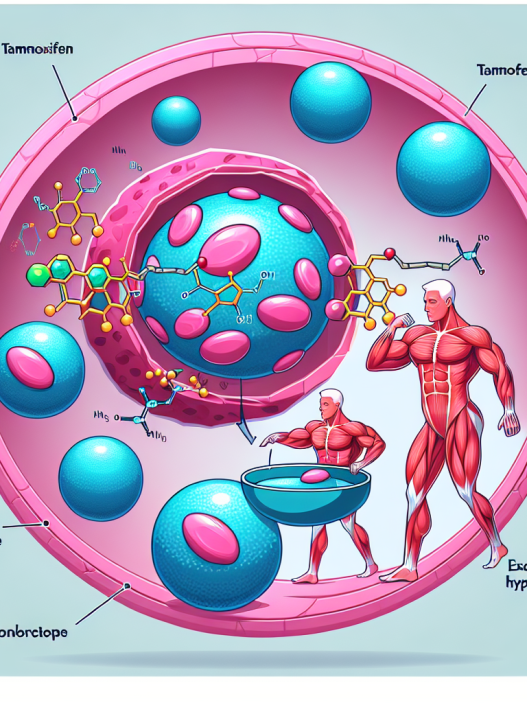
1. Satellite cell activation process (Source: Serra et al. 2013)

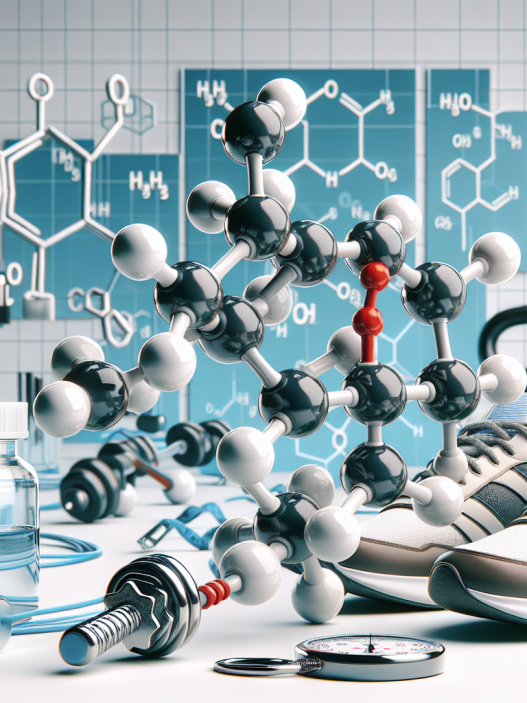
2. Nandrolone chemical structure (Source: PubChem)
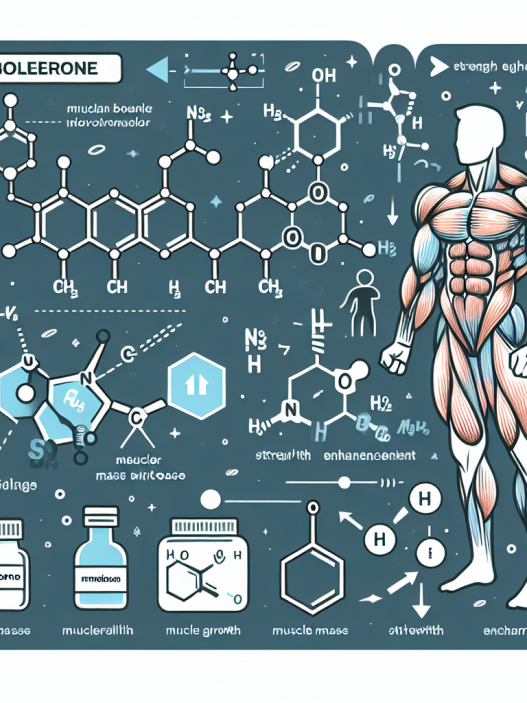
3. Nandrolone administration increases satellite cell number (Source: Sinha-Hikim et al. 2003