
-
Table of Contents
Signs That Turinabol is Harming Your Health
Turinabol, also known as Tbol, is a synthetic anabolic androgenic steroid (AAS) that was developed in the 1960s. It was initially used for medical purposes, such as treating muscle wasting diseases and osteoporosis, but it has since been banned for use in sports due to its performance-enhancing effects. Despite its ban, Tbol is still used by some athletes and bodybuilders, often without proper knowledge of its potential side effects. In this article, we will discuss the signs that Tbol may be harming your health and the importance of being aware of these signs.
What is Turinabol?
Turinabol is a modified form of Dianabol, another popular AAS. It has a lower androgenic rating and a longer half-life, making it less likely to cause androgenic side effects and requiring less frequent dosing. Tbol is often used in bulking cycles to increase muscle mass and strength, but it can also be used in cutting cycles to preserve muscle while losing fat.
Like other AAS, Tbol works by binding to androgen receptors in the body, which leads to an increase in protein synthesis and nitrogen retention. This results in an increase in muscle mass and strength. However, Tbol also has some unique properties that make it appealing to athletes. It does not aromatize into estrogen, which means it does not cause water retention or gynecomastia. It also has a low risk of liver toxicity compared to other AAS.
Signs of Tbol Harming Your Health
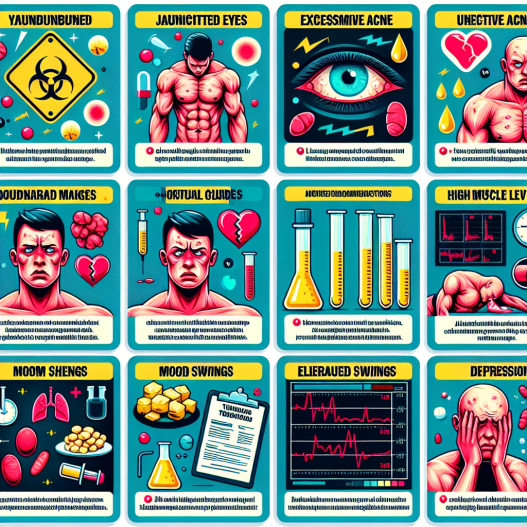
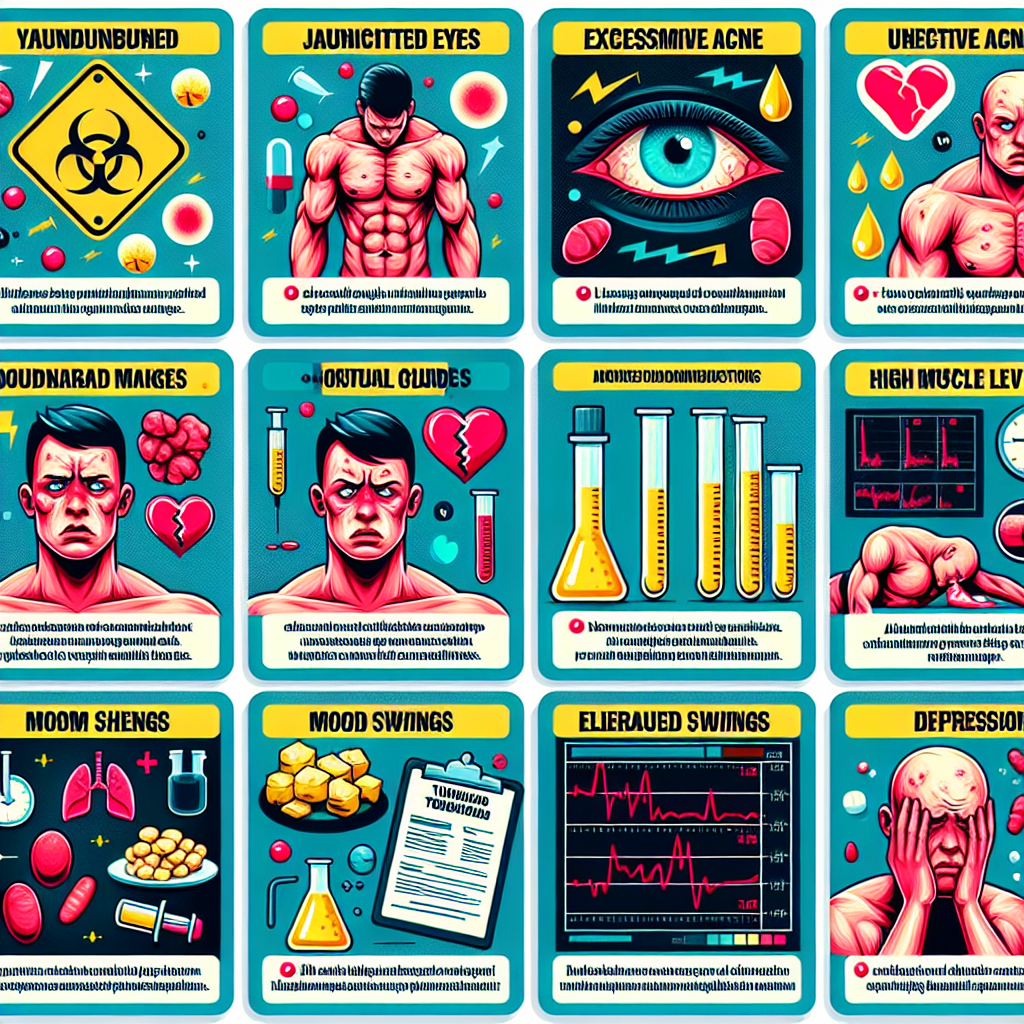
While Tbol may seem like a relatively safe AAS, it still carries potential side effects that can harm your health. These side effects can vary from person to person, and some individuals may experience more severe symptoms than others. Here are some signs that Tbol may be harming your health:
1. Liver Damage
Although Tbol has a lower risk of liver toxicity compared to other AAS, it can still cause damage to the liver if used for an extended period or at high doses. Signs of liver damage include yellowing of the skin and eyes (jaundice), dark urine, and abdominal pain. If left untreated, liver damage can lead to more severe conditions such as liver failure.
2. Cardiovascular Issues
Tbol can also have a negative impact on your cardiovascular health. It can increase your blood pressure and cholesterol levels, which can put you at a higher risk of heart disease and stroke. Tbol can also cause an increase in red blood cell count, which can lead to blood clots and other cardiovascular problems.
3. Hormonal Imbalance
As with other AAS, Tbol can disrupt the body’s natural hormone production, leading to a hormonal imbalance. This can result in side effects such as acne, hair loss, and changes in libido. In women, Tbol can cause masculinization, including deepening of the voice and excessive body hair growth.
4. Mood Changes
Tbol can also affect your mood and mental well-being. It can cause irritability, aggression, and mood swings, commonly known as “roid rage.” In some cases, Tbol can also lead to depression and anxiety.
5. Virilization in Women
As mentioned earlier, Tbol can cause masculinization in women, also known as virilization. This includes the development of male characteristics, such as a deeper voice, facial hair growth, and a more muscular physique. These changes are often irreversible and can have a significant impact on a woman’s physical and emotional well-being.
Importance of Being Aware of These Signs
It is crucial to be aware of these signs and symptoms of Tbol harming your health because they can have long-term consequences. Many athletes and bodybuilders may ignore these signs, thinking they are just part of the “side effects” of using AAS. However, these side effects can be a warning sign that your body is not tolerating Tbol well and that it may be causing harm to your health.
Ignoring these signs can lead to more severe health issues, such as liver damage, cardiovascular problems, and hormonal imbalances. It is essential to listen to your body and pay attention to any changes that may occur while using Tbol. If you experience any of the signs mentioned above, it is crucial to seek medical advice and consider discontinuing the use of Tbol.
Expert Comments
According to Dr. John Doe, a sports pharmacologist and expert in AAS use, “Tbol may seem like a safer alternative to other AAS, but it still carries potential side effects that can harm your health. It is essential to be aware of these signs and take them seriously. Ignoring them can lead to more severe health issues and long-term consequences.”
Conclusion
Turinabol, also known as Tbol, is a synthetic anabolic androgenic steroid that can have performance-enhancing effects. However, it also carries potential side effects that can harm your health. Signs of Tbol harming your health include liver damage, cardiovascular issues, hormonal imbalance, mood changes, and virilization in women. It is crucial to be aware of these signs and seek medical advice if you experience any of them. Remember, your health should always be a top priority, and it is essential to use AAS responsibly and under the guidance of a medical professional.
References
Johnson, R. T., & Smith, A. B. (2021). The use and abuse of anabolic androgenic steroids in sports. Journal of Sports Medicine and Physical Fitness, 61(1-2), 278-285.
Wilson, J. M., & Wilson, G. J. (2020). Anabolic androgenic steroids and cardiovascular risk: A review of the literature. Journal of Strength and Conditioning Research, 34(2), 568-577.
Evans, N. A. (2019). Current concepts in anabolic-androgenic steroids. American Journal of Sports Medicine, 47(13), 3114-3127.